

Last Updated: October 18, 2026
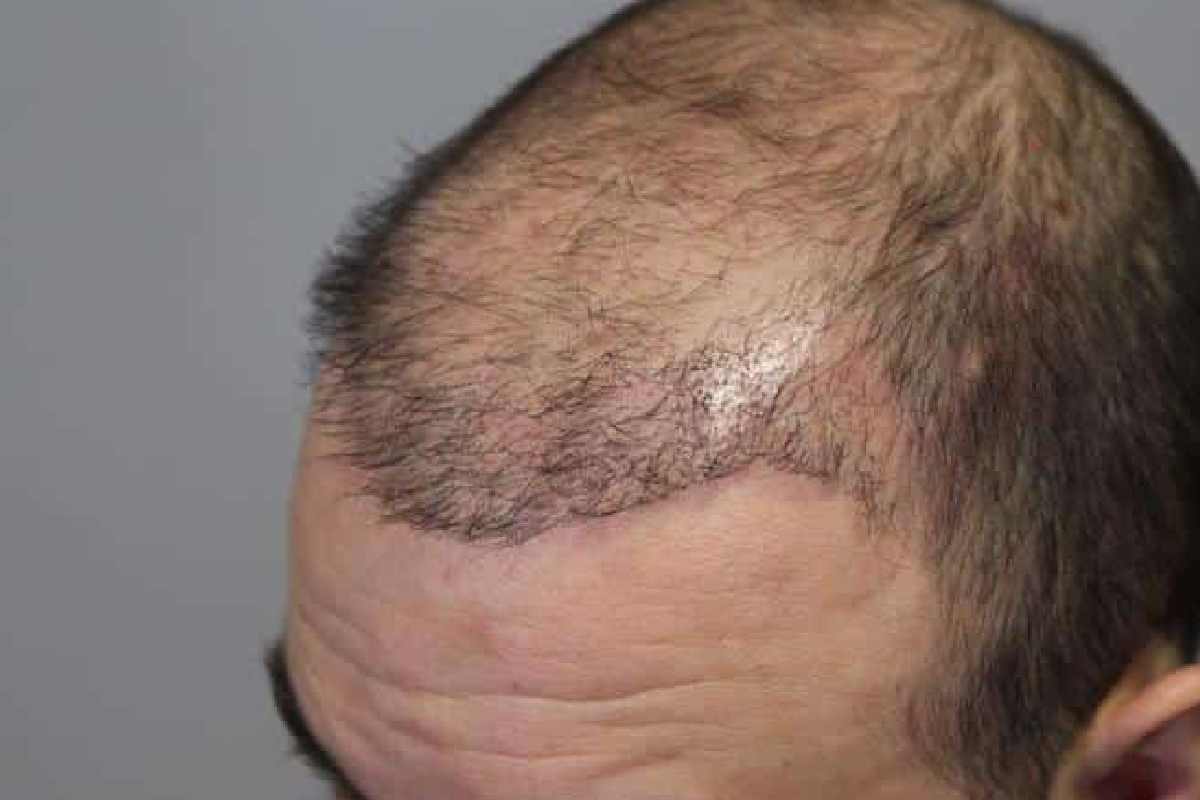
Hair transplant surgery can be a transformative procedure, offering not just a fuller head of hair but also a boost in self-confidence and an improvement in overall appearance. However, the success of this procedure isn’t guaranteed. Understanding how to avoid a failed hair transplant is essential for anyone considering this option.
A hair transplant involves moving hair follicles from a dense area of the scalp (donor site) to a bald or thinning area (recipient site). The two main types of procedures are Follicular Unit Transplantation (FUT) and Follicular Unit Extraction (FUE), each with benefits and considerations.
Table of Contents
Reasons for Failed Hair Transplants
Failed hair transplants can stem from many factors, each critical to the procedure’s overall success. Understanding these reasons can empower individuals to take proactive steps to mitigate risks.
Inadequate Candidate Evaluation
Only some are suitable candidates for a hair transplant. Factors such as insufficient donor hair density, certain medical conditions, or unrealistic expectations can produce unsatisfactory results. A thorough evaluation by a qualified surgeon is essential to determine suitability.
Poor Planning and Technique
The success of a hair transplant also depends on meticulous planning and the execution of the procedure. This includes the correct angling and placement of grafts to achieve a natural-looking hairline. Failure in these aspects can lead to an unnatural appearance or poor hair growth.
Inexperience of the Surgeon
The skill and experience of the surgeon performing the hair transplant are paramount. Surgeons with limited experience or those not specializing in hair restoration may lack the expertise required for a successful outcome.
Post-operative Care Neglect
After a transplant, the healing process and hair growth can significantly impact how well post-operative care instructions are followed. Neglecting these guidelines can lead to infection, scarring, and the failure of grafts to take root. Follow your surgeon’s instructions carefully, and contact the clinic if you notice worsening redness, swelling, discharge, increasing pain, or other signs of possible complications.
Choosing the Right Surgeon
Your hair transplant’s success largely depends on your surgeon’s expertise. Look for a suitably qualified professional with substantial experience in hair transplantation. Evaluate their portfolio of before-and-after photos and read through patient testimonials to gauge satisfaction levels. Ask about the surgeon’s role in the procedure, potential risks, expected outcomes, and follow-up care before making a decision.
Post-Operative Care for Success
Immediate and long-term aftercare is crucial for a successful hair transplant. Following your surgeon’s instructions for hair care and dealing with side effects is essential for optimal healing and growth. Avoid applying unapproved creams or treatments to the transplanted area, and check with your medical team before introducing new products during recovery.
Ready to learn more about hair restoration? Discover the hair transplant options, costs, and treatment information offered by Dr. Vivo Hair Clinic before deciding whether a procedure is right for you. Discuss your individual needs, the surgeon’s experience, and the aftercare plan with a qualified professional.
Lifestyle Factors Affecting Transplant Success
The role of lifestyle factors in the success of a hair transplant cannot be overstated. Even with the best surgical technique, certain lifestyle choices can hinder healing and hair health.
- Nutrition and Hair Health: A balanced diet containing vitamins, minerals, and protein supports normal hair growth. Nutrient deficiencies can affect the strength and health of hair, so discuss suspected deficiencies with a healthcare professional rather than starting supplements without guidance.
- Stress Management: Chronic stress can contribute to some forms of hair loss. Managing stress through meditation, exercise, or other relaxation techniques may support general well-being during recovery.
- Avoiding Harmful Habits: Smoking can impair wound healing, while excessive alcohol consumption and recreational drug use may introduce additional health risks. Follow your surgeon’s advice about avoiding these habits before and after surgery.
Hair restoration is only one part of a broader personal-care routine. For additional everyday grooming ideas, explore these beauty routine tips for the face, eyes, and hair.
Knowing what signs of healing and growth to look for can help you gauge the progress of your transplant. Regular follow-ups with your surgeon are also crucial.
Dealing with Unsatisfactory Results
Despite best efforts, some individuals may be dissatisfied with their hair transplant results. However, options may be available to address and correct unsatisfactory outcomes.
Understanding Potential Corrections
The first step is to consult with the original surgeon or seek a second opinion to understand possible corrective measures. Depending on the cause of the problem, options may include further treatment, scar management, medical management of ongoing hair loss, or an additional transplant procedure to improve density or the hairline.
When to Consider a Touch-up Procedure
It’s important to have realistic expectations regarding the timeline for seeing the full results of a hair transplant. Visible growth develops gradually, and the time needed to assess the final outcome varies by individual and procedure. If the results remain unsatisfactory after the expected recovery and growth period, discuss the options with a qualified hair-restoration surgeon before considering another procedure.
Psychological Support and Patience
Dealing with unsatisfactory results can be emotionally challenging. Seeking support from counselors, support groups, or online forums can provide emotional relief while you explore your options. Choose reliable sources of information and give yourself time to make decisions without pressure.
Related Skin-Care Considerations
Skin conditions sometimes require treatment separate from hair restoration. For example, luliconazole cream is an antifungal medication used for certain fungal skin infections; it is not a treatment for failed hair transplants or poor graft growth. Do not apply it to a healing transplant site unless your healthcare professional specifically recommends it.
Other Cosmetic Procedures to Research
Hair transplantation is one of several procedures people may research when considering changes to their appearance. If you’re exploring facial cosmetic surgery as a separate topic, this guide to rhinoplasty and important considerations before a nose job offers additional information to review. Rhinoplasty and hair transplantation are different procedures, with distinct risks, recovery requirements, and expected outcomes.
By understanding the reasons for failed hair transplants, acknowledging the impact of lifestyle factors, and knowing how to address unsatisfactory results, individuals can better navigate their hair-restoration journey with informed expectations and proactive strategies.
A successful hair transplant depends on careful planning, skilled execution, appropriate aftercare, and realistic expectations. By taking informed steps and selecting the right medical team, you can help reduce avoidable risks and make decisions about hair restoration with greater confidence.