

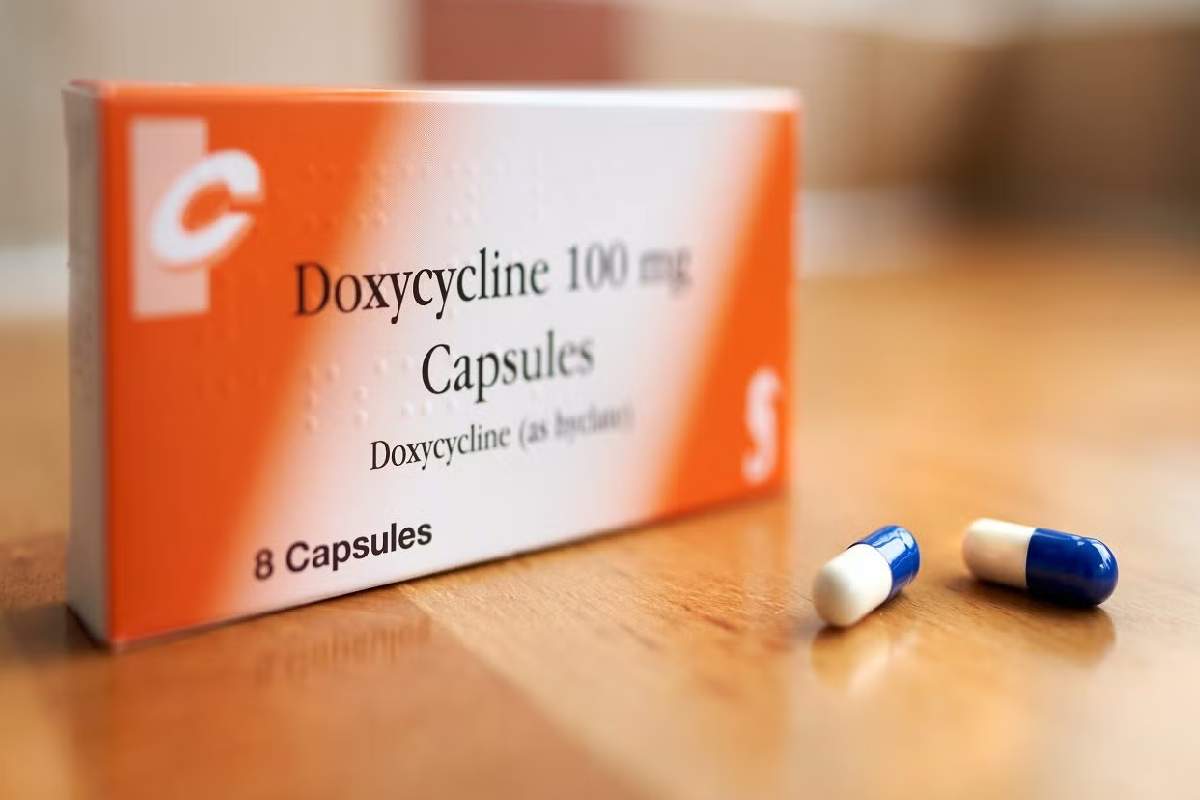
Antibiotics can feel confusing. Names sound similar, and guidance changes with new evidence. Doxycycline is one medication people hear about when facing certain bacterial infections or inflammatory skin concerns. This guide offers balanced, plain-language context so you can talk with a clinician more confidently.
If you’re exploring options for bacterial infections, you can learn more about Doxycycline on this resource to understand potential uses and considerations. We also highlight everyday strategies—like symptom tracking, safer sex practices, and sun protection—that support treatment plans and reduce complications.
Table of Contents
What Doxycycline Is (And Isn’t)
This antibiotic slows the growth of certain bacteria. It does not treat viruses like colds, flu, or most sore throats. Inappropriate antibiotic use can drive resistance, where bacteria adapt and medications become less effective over time.
Clinicians may consider this option for a range of conditions. These can include acne with inflammatory lesions, some sexually transmitted infections, and tick-borne illnesses in specific situations. Exact suitability depends on your diagnosis, local resistance patterns, allergies, and other medicines you take.
Common Conditions and Everyday Impact
Acne and Skin Health
Persistent acne can affect self-esteem and social comfort. Inflammatory acne involves redness, tenderness, and deeper nodules that may scar. Antibiotics are sometimes used short term alongside topical routines and lifestyle changes, not as a standalone fix. Gentle cleansing, noncomedogenic (non-pore-clogging) products, and consistent sun protection are core habits.
Food and stress can play a role for some. A symptom diary can help you notice patterns around stress spikes, sleep loss, or certain products. Share this with your clinician to refine a plan that blends topical agents, skincare habits, and, when appropriate, a time-limited antibiotic course.
Sexual Health: Chlamydia and Partners
Chlamydia often causes no symptoms, which makes routine screening important. When symptoms do appear, they may include genital discharge, burning with urination, pelvic discomfort, or testicular pain. Contact a healthcare professional for testing if you have new or multiple partners or if a partner tests positive.
Prevention matters, too. Using condoms consistently, reducing overlapping partners, and getting timely retesting help protect you and your community. If you’re learning about bacterial conditions addressed by antibiotics, reviewing broader Infectious Disease topics can provide helpful context on symptoms, transmission, and public health measures.
Tick-Borne Risks and Lyme Disease
After a tick bite, watch for rash changes, fever, fatigue, or joint aches. The classic “bull’s-eye” rash is helpful when present, but not everyone gets it. Early evaluation is wise if you notice concerning symptoms, especially after outdoor activities in wooded or grassy areas.
Preventive steps can reduce risk: tuck pants into socks, use EPA-registered repellents, perform tick checks, and shower soon after exposure. If you remove a tick, note the date and location of the bite and monitor for evolving symptoms. Share these details with a clinician if you develop a rash or flu-like illness.
What to Discuss With a Clinician
Good care starts with a complete picture. Before starting any antibiotic, tell your clinician about allergies, pregnancy status, kidney or liver concerns, and all medicines or supplements you take. Photosensitive reactions (increased sun sensitivity) can occur with some drugs, so ask about sun protection strategies.
Bring questions like these to your visit:
- Is an antibiotic necessary, or could this be viral or self-limited?
- Which tests confirm the diagnosis, and when will results return?
- What are the likely benefits and the most common side effects?
- How long might I need treatment, and what signs mean I should follow up sooner?
- How do we reduce antibiotic resistance risks and prevent recurrence?
Shared decision-making means aligning treatment with your values and daily realities—work schedules, school, caregiving, or travel. If costs, transportation, or privacy are concerns, say so. Care teams can suggest alternatives, local resources, or timing strategies that fit your life.
Everyday Strategies That Support Treatment
Getting better isn’t only about the prescription. Everyday habits can reduce symptoms and lower the chance of complications. Try combining medical guidance with a few practical steps:
- Build a simple routine: set reminders for doses, water intake, and skincare.
- Protect skin: use broad-spectrum sunscreen and hats to reduce sun sensitivity.
- Support your gut: ask about spacing probiotics or yogurt away from doses.
- Track symptoms: short journal notes help you and your clinician see trends.
- Practice safer sex: use condoms, inform partners, and follow retesting advice.
- Care for mental health: acne and infections can affect mood—seek support early.
Small, sustainable changes tend to work best. If a strategy feels unrealistic, discuss alternatives. The goal is progress, not perfection.
Benefits and Trade-Offs
Doxycycline can be effective against specific bacteria and has a long history of use. Many people tolerate it well, especially for short courses. Still, all medicines have trade-offs. Potential downsides include stomach upset, photosensitivity, and interactions with certain minerals or supplements.
Ask about timing with meals and which foods or antacids might interfere. Clarify whether you should avoid lying down immediately after taking a dose, a tip sometimes given to reduce throat irritation. If you notice severe headache, vision changes, rash, or persistent vomiting, contact a healthcare professional promptly.
Antibiotic Stewardship and Community Health
Using antibiotics thoughtfully protects everyone. Finishing the prescribed course, avoiding leftover pills, and not sharing medicines help reduce resistance. Testing partners for sexually transmitted infections and following retesting windows reduce reinfection cycles.
Public health guidance can change as resistance patterns shift. Stay flexible and open to updated recommendations from your care team. Community-wide efforts—like vaccination where relevant, screening, and prompt treatment—work best when we all participate.
Special Situations and Precautions
Certain life stages or conditions may influence decisions. If you are pregnant, breastfeeding, or managing chronic liver or kidney disease, discuss risks, benefits, and alternatives. Some conditions may call for different antibiotics or timing strategies. Let your clinician know if you’ve had prior reactions to tetracyclines or other medications.
Travel plans, outdoor work, and sports can affect sun exposure and hydration needs. Plan ahead with protective clothing, shade breaks, and extra water. If you rely on multivitamins, iron, calcium, or magnesium supplements, ask how to space them to avoid reducing antibiotic absorption.
Putting It All Together
Health decisions work best when they are informed, practical, and compassionate. Doxycycline is one tool among many. Whether you’re dealing with acne, a possible chlamydia exposure, or a tick bite that worries you, the most important step is an honest conversation with a healthcare professional about your goals and context.
If you want to revisit essentials later, bookmark this page and save your questions for your next appointment. You can also explore broader health topics and services with BorderFreeHealth to stay informed and prepared.
Medical disclaimer: This content is for informational purposes only and is not a substitute for professional medical advice.
Quick Recap
- Doxycycline may help with certain bacterial and inflammatory conditions when appropriately prescribed.
- Pair treatment with practical habits: sun protection, symptom tracking, safer sex, and mental health support.
- Discuss risks, benefits, interactions, and testing plans with your clinician.
- Thoughtful antibiotic use protects both individual health and community wellbeing.