

NGS Library Preparation
We live in a world obsessed with personal health where people track their steps, their sleep, and even their calories. But what about the information inside our very cells? Our DNA holds a blueprint for our well-being. Unlocking its secrets was once a monumental task. Now, technology makes it accessible. It allows us to explore our unique genetic makeup. This exploration starts with a crucial, behind-the-scenes process. It turns a biological sample into something a machine can read.
Table of Contents
The Critical First Step
This foundational process is called NGS library preparation. Think of it as a meticulous translation project. The goal is to prepare genetic material for sequencing. The machine, called a sequencer, cannot read raw DNA or RNA. The library prep process gets everything ready. It takes the complex, messy genetic material from a sample. It converts this material into a standardized, readable format. The quality of this step determines everything that follows. A perfect library leads to clear, reliable data. A poor library creates confusing, unusable noise.
From Sample to Fragments
The journey begins with a simple sample. This could be blood, saliva, or a tissue swab. Scientists first extract the genetic material. They isolate the DNA or RNA. This material is often one very long, tangled molecule. A sequencer needs smaller, manageable pieces. So, the next step is fragmentation. The genetic strands are carefully broken down. They become a soup of smaller fragments. Scientists can control the size of these pieces. Uniform fragment size is important for even sequencing.
Adding the Molecular Address Tags
Here is a clever part. All these fragments look similar. They get mixed together. The sequencer needs to identify each one. The solution involves adding special molecular tags. These are short, known sequences of DNA. They act like barcodes and mailing addresses. A unique barcode is attached to each fragment from a single sample. This allows samples from many people to be mixed and sequenced together. Later, the data can be separated perfectly. The address part helps the sequencer know where to start reading. It also helps with accurate reassembly later.
The Amplification Imperative
The amount of genetic material from a sample is tiny. It is far too little for a machine to detect. The library must be amplified. This means making millions of identical copies of each prepared fragment. A process called PCR is often used for this. It is a targeted molecular photocopying machine. This amplification creates a strong enough signal. The sequencer can now “see” the DNA. Careful control here is vital. Too much amplification can introduce errors. Too little yields no data.
Quality Control is Everything
You would not send a blurry photo to an art contest. Scientists do not sequence a poor library. A strict quality check happens next. They use specialized machines to assess the library. They check the concentration of DNA. They verify the average fragment size. They ensure the adapters are attached correctly. This step prevents wasting expensive sequencing time. A failed library goes back to the drawing board. A passing library gets the green light. This focus on quality saves time and money.
Wellness in the Data Stream
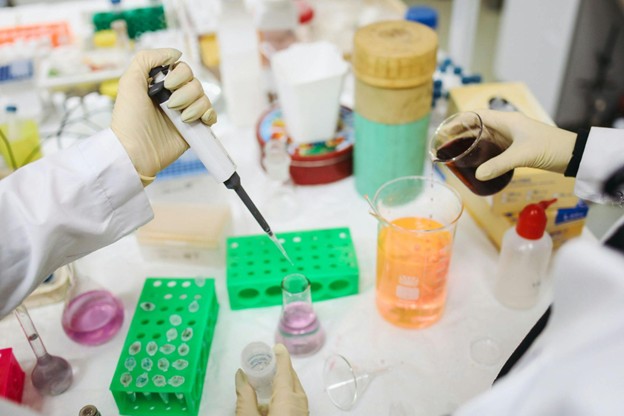
So how does this relate to your wellness? A perfectly prepared library enters the sequencer. The machine reads all those barcoded fragments. It generates billions of data points. Bioinformaticians then piece this digital puzzle together. They align the fragments to a reference human genome. They look for variations unique to you. In wellness science, the focus might be on specific genes. These genes can influence metabolism, nutrient absorption, or exercise response. The clarity of the final report depends entirely on that first, careful library prep.
The Gateway to Personal Insight
NGS library preparation is not glamorous. It happens in sterile labs, not fitness centers. But it is the indispensable gateway. It transforms your biological sample into actionable digital knowledge. This knowledge powers personalized nutrition plans. It informs tailored supplement recommendations. It can reveal genetic predispositions to certain lifestyle-related conditions. Every personalized wellness report starts here. Understanding this basic process demystifies the science. It highlights the careful work behind your personal health insights. The journey to a more informed you begins with a very well-prepared library.