

Last Updated: November 25, 2026
Summary: Explore Invisalign, ceramic braces and lingual options for adults, plus the factors a San Francisco orthodontist considers when recommending treatment.
Adults in San Francisco looking for alternatives to traditional metal braces have several discreet orthodontic treatment options to consider, including Invisalign clear aligners, ceramic braces and lingual braces. Each option offers different benefits depending on the patient’s dental alignment, bite, oral health and lifestyle. A San Francisco orthodontist can assess these factors and recommend whether removable clear aligners or fixed braces are more appropriate for achieving the desired results. For adults researching Invisalign in San Francisco, understanding the differences between these treatments is an important part of choosing the right orthodontic approach.
Table of Contents
Clear aligners: removable, but not right for every case
Invisalign treatment uses a series of clear aligners to move teeth over time. The aligners can be removed for meals and brushing, which some adults find convenient. They also need to be worn as directed to keep treatment on track.
Clear aligners may address concerns such as crowded teeth, gaps, and some bite problems. However, the American Association of Orthodontists says aligners are not appropriate for every patient or every type of tooth movement. An orthodontist should examine the teeth, bite, and gum health before recommending a treatment plan.
Ceramic and lingual braces
Ceramic braces use tooth-colored brackets that can be less noticeable than traditional metal braces. They remain attached to the teeth during treatment, so they do not rely on the patient remembering to put them back in after eating.
Lingual braces are placed behind the teeth. InBrace is one lingual braces option. Because the appliance is positioned on the tongue side, it can be less visible from the front, though not every orthodontist offers lingual treatment, and it may not suit every case. Patients can ask about the adjustment period, cleaning, comfort, and the types of tooth movement each option can address.
For adults seeking discreet alternatives to traditional braces, ceramic braces and lingual braces can provide fixed orthodontic treatment with less visible appliances. Invisalign clear aligners offer another option for patients who prefer a removable approach. However, the most discreet treatment is not necessarily the most appropriate for every case. An orthodontist should consider the required tooth movements, bite alignment and overall dental health before recommending Invisalign, ceramic braces or lingual braces.
What to consider before choosing
A San Francisco orthodontist can help compare the options based on more than appearance. Ask what movements are needed, whether the bite is affected, and how the plan accounts for any missing, restored, or worn teeth. The AAO notes that adult patients may need a dental or gum-health concern addressed before orthodontic treatment begins.
When comparing discreet orthodontic treatment options, adults should also consider practical factors such as whether an appliance is removable, how frequently appointments are required, the estimated treatment duration and overall cost. An Invisalign provider or orthodontist experienced in clear aligner treatment can explain whether Invisalign is appropriate for the patient’s alignment and bite or whether ceramic or lingual braces may offer better control. Seeking more than one orthodontic consultation can help patients understand different treatment recommendations and compare the advantages of each approach.
Bella Smile’s options in San Francisco
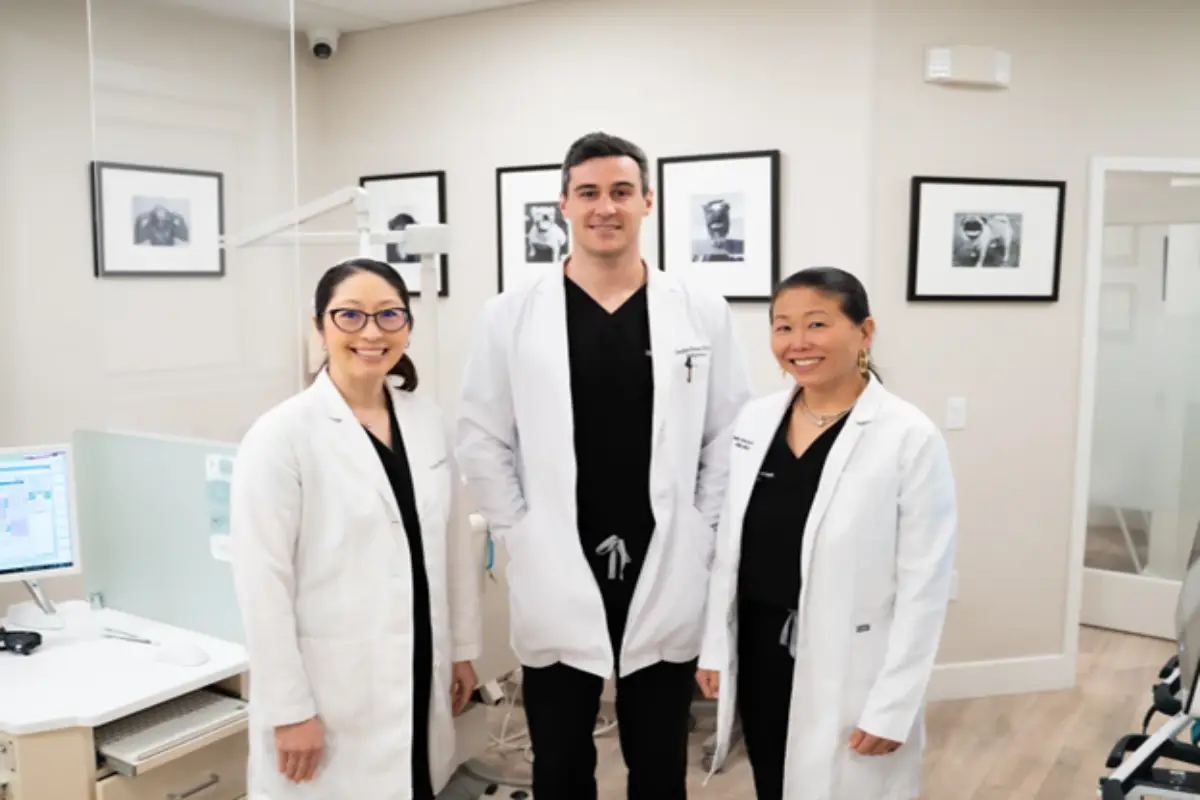
Bella Smile, also known as Bella Smile Orthodontics, is a San Francisco orthodontic practice providing adult orthodontics, Invisalign treatment, clear aligners and several types of braces. The practice identifies itself as an Invisalign Top 1% Provider and a Sapphire Invisalign provider, and reports having treated more than 8,500 Invisalign cases. Adults researching Invisalign in San Francisco or discreet alternatives to traditional braces can explore Bella Smile’s treatment options and discuss how its orthodontic experience relates to their individual alignment and bite concerns.
Bella Smile offers several discreet orthodontic treatment options for adults, including Invisalign clear aligners, traditional braces, ceramic braces and lingual braces, including InBrace. The practice also describes treating complex orthodontic cases, allowing patients to discuss different treatment approaches based on their dental alignment and bite. Beyond adult orthodontics, Bella Smile provides children’s and teen orthodontic services, including Invisalign First, Invisalign Teen and palate expanders.
Bella Smile also uses digital orthodontic technology, including iTero digital scanning, to create a three-dimensional view of a patient’s teeth and bite during treatment planning. Additional technologies listed by the practice include OrthoPulse and VPro+, alongside accelerated orthodontic treatment approaches for selected cases. Adults considering Invisalign or braces can ask how these technologies may support their treatment plan and whether they are relevant to their individual needs. The choice of appliance should always be based on a clinical assessment rather than technology alone.
Adults who have experienced teeth shifting after braces can also ask whether the movement is orthodontic relapse and whether a retainer or additional teeth straightening may help. A consultation can clarify the cause and available options, including Invisalign treatment or braces.
There is no single best orthodontic treatment for every adult. Invisalign, ceramic braces and lingual braces each offer different advantages depending on the patient’s dental alignment, bite and treatment goals. Adults considering discreet orthodontic treatment in San Francisco should seek an orthodontist who can explain the diagnosis, compare suitable treatment options and outline the benefits and limitations of each approach. A personalised assessment can help determine which orthodontic treatment is most appropriate.