

Table of Contents
What is Cerefolin Brain Wellness?
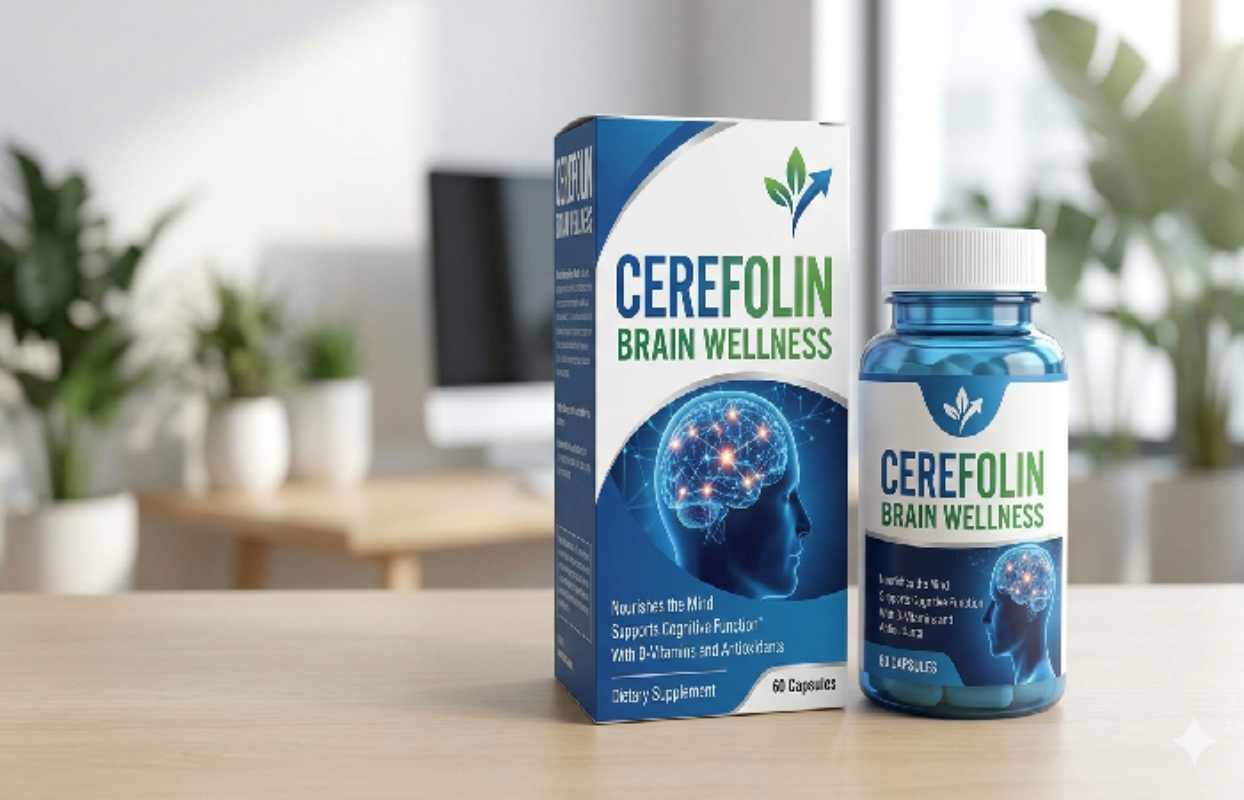
Cerefolin Brain Wellness (referred to as merely ‘Cerefolin’ or Cerefolin NAC in some formulae) is a uniquely designed dietary supplement consisting of L-methyl folate, methylcobalamin and N-acetylcysteine (NAC). This has been prescribed as a medical food/dietary management approach for mild cognitive impairment (MCI) in the clinical setting associated with elevated homocysteine. It is developed to bring down plasma homocysteine as well as facilitate methylation and anti-oxidative pathways essential for neuronal function.
Ingredients and their biological functions
- L-methylfolate: the biologically active form of folate. It directly takes part in several one-carbon metabolism pathways for neurotransmitter production and proper homocysteine metabolism.
- Methylcobalamin (B12): It remains one of the most essential and effective B12S to enhance memory as it facilitates all the methylation functions happening within the brain and is a vital preserver of nerve tissue functioning, as deficiency causes cognitive of the brain in addition to increased blood serum homocysteine.
- Nacetylcysteine (NAC) is a glutathione precursor, possibly anti-inflammatory and contains antioxidant benefits.

The biology in plain terms: homocysteine, methylation, and brain aging
Homocysteine is an amino acid metabolic byproduct that. If elevated, is associated with vascular injury, white matter atrophy, and cognitive decline on cohort studies; therefore, lowering homocysteine. Especially in deficient or high baseline readers – is a viable target for decelerating brain atrophy and cognitive decline. Imaging studies with CerefolinNAC demonstrate that Homocysteine reductions significantly more slowed the rate of hippocampal and cortical atrophy in AD/ADRD patients with HHcy. Suggesting a possible disease-modifying effect in these subgroups.
What the clinical evidence actually shows?
- Randomised/exploratory trials (including open-label extensions): A 6month double blind exploratory study (CERE001) assessed short-term safety and efficacy of Cerefolin NAC compared to multivitamin/placebo on reduction of blood homocysteine and other markers of inflammation and in addition to collect additional safety data in an open-label extension of the study.
- Retrospective imaging studies:1-15 A retrospective imaging study (published in peer-reviewed journals; for small sample sizes) demonstrated that HHcy patients treated with Cerefolin(CerefolinNAC), compared to comparison groups, experienced rates of hippocampal and cortical atrophy that were been slowed down by several log orders of magnitude; the extent of retardation was associated with the extent of homocysteine decrease.
- Larger registry/clinical data: Clinical pages and trials list retrospective cohort analyses (“generic” cohorts (with n of approximately 1,100 in aggregate data sets cited on trial registries )) but much of the data are observational and nonrandomized so causal certainty is limited.
Strengths and limitations of the evidence
- Strengths: Imaging end-points (using MRI) offer objective measures of brain volume change. A few of the population-based studies also include a population with HHcy and therefore have biologically identified a mechanism for the population. In doing these population studies also display a biological effect (less atrophy) and a change in the biomarker.
- Limitations: Most studies published to date have been retrospective, observational or exploratory in nature and with relatively small sample sizes. Few larger-scale randomised trials with clear clinical endpoints (conversion to dementia. Large amounts of change on cognitive measures) have yet to be completed. So would not be able to address the clinical magnitude of effect or generalisability.
Who may benefit — a clinician-friendly decision pathway
- Screen: order fasting plasma homocysteine, along with B12 and folate, for a patient with MCI or persistent memory complaints; high homocysteine (levels vary by lab, most often >12–15 mol/L) helps select patients who would most benefit from specific therapy.
- Identify causes: Check both diet (vegetarian? N deficiency?) and state of malabsorption, e.g. Pernicious anaemia, Renal function and drugs (for homocysteine). Treat reversible causes first.
- Consider Cerefolin if: Patients with MCI/dementia spectrum and HHcy; and either B-vitamin insufficiency, or a clinical profile consistent with vascular contribution to cognitive impairment. Administration should be supervised by a physician.
- Monitor: review repeat homocysteine and appropriate labs, neuropsychological or MRI if used in longitudinal/research.
Cerefolin Usage is defined as dosage, duration of treatment, and monitoring
Standard product dosing (used in trial and for product labels) often includes L-methylfolate ~5.6–6 mg and methylcobalamin 1–2 mg, plus NAC 600 mg in Cerefolin NAC formulations; follow product label and clinician judgment.
Duration: all studies refer to months/years; biochemical change seen within months, whereas in retrospective studies imaging improvements were seen over a longer follow-up period (12–18 months) so expect months for biochemical change, a longer time for structural/clinical indicators.
Monitoring: Check homocysteine, B12 and patient symptoms every 3–6 months (or more frequently if necessary); check for side effects and interactions (below).
Safety, side effects, and drug interactions
The side effects reported with trials and product info are mild in general, but NAC may occasionally cause GIT disturbances and allergy. Stated with high doses of folate/B12 is may hide some condition (for example presentation of B12 deficiency) so check labs.
Interactions: verify anticoagulant status (although certain B vitamins may indirectly affect warfarin). And ask about other supplements, consulting clinicians as needed. Medical oversight of use is advised, as Cerefolin is aimed at clinical dietary care and not casual self-prescription.
Alternatives and comparisons
Simple B vitamin protocol – standard folic acid and B12 supplementation reduces homocysteine for many. L-methylfolate (a more active form of folate) avoids some of the genetic and absorptive obstacles, and for some, may be better
Lifestyle: techniques for reduction of vascular risk (BP, stop smoking, exercise, med diet) should be included as part of any targeted nutritional therapy.
Cost/access: Cerefolin is dispensed by prescription in some countries as a medical food, etc. Question insurance coverage, compare cost to generic B vitamins.
Checklist of practical purchase and use
- Get baseline labs- homocysteine, B12, folate, renal function.
- Discuss with the clinician whether HHcy is present and whether cognitive complaints are present.
- If indicated, follow product dosing, schedule labs at 3–6months, and set nonpharmacologic brain health targets(exercise, sleep, CV risk reduction).
FAQ Section
Q: Is a cure for Alzheimer’s found in Cerefolin?
A: No existing evidence indicates Cerefolin has the potential to preserve regional brain volume and cognition in a subset of high-homocysteine individuals. As opposed to curing Alzheimer’s disease.
Q: Who, then should test for homocysteine?
A: Adults with perceived memory impairments, suspected MCI, or vascular risk factors. Assessment screening can differentiate those who require a targeted treatment.
Q: How long before I start seeing benefits?
A: Biomarker changes (homocysteine) can take months to occur. Imaging or clinical benefits reported in publications often occurred at 12+ months followup.
Q: “Can I take Cerefolin with my other vitamins?”
A: As a general rule, yes, though coordinate with your clinician. Specific formulas and doses are important, and high dose folate may mask a B12 deficiency unless properly tested.
Final Conclusion
Cerefolin Brain Wellness may be a helpful (evidence-supported) supplement for medically monitored treatment in selected patients with Mild Cognitive Impairment and elevated homocysteine. It reduces homocysteine and has been linked to decreased regional brain atrophy on imaging studies. And its use is supported in specific HHcy patients, with screening and clinician supervision.