

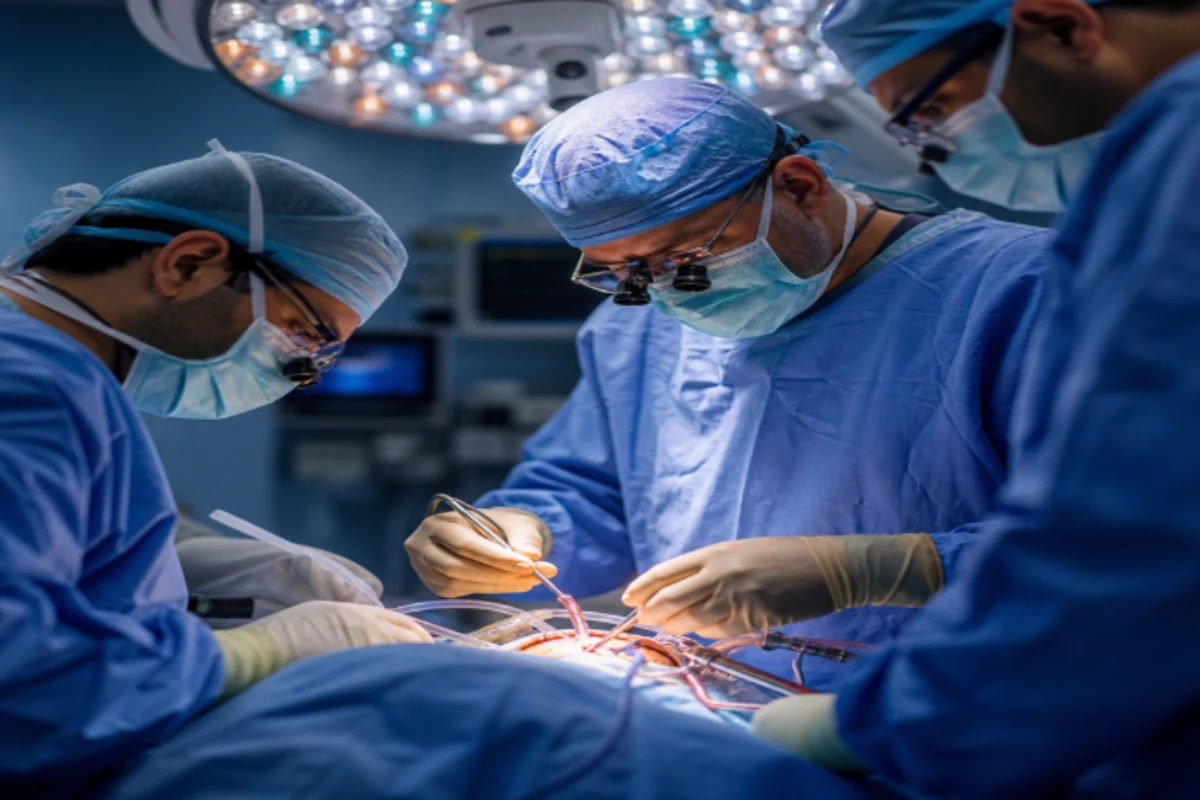
Cardiovascular disease remains the leading cause of mortality worldwide, claiming millions of lives annually and affecting countless others through chronic conditions that diminish quality of life. As medical science advances and our understanding of cardiac pathology deepens, the role of specialized surgical expertise has become increasingly vital in treating complex heart and vascular conditions. From coronary artery disease to structural heart defects, the spectrum of cardiovascular pathology requires not only diagnostic precision but also surgical mastery that can only be developed through years of intensive training and clinical experience.
Table of Contents
The Expanding Scope of Cardiovascular Surgery
Modern cardiovascular surgery encompasses a broad range of procedures that extend far beyond traditional open-heart operations. Today’s surgical specialists perform intricate interventions including coronary artery bypass grafting, valve repair and replacement, aortic aneurysm repair, congenital heart defect correction, and heart transplantation. Each procedure demands exceptional technical skill, anatomical knowledge, and the ability to make critical decisions under intense pressure. The evolution of minimally invasive techniques has further expanded the surgical toolkit, allowing skilled surgeons to achieve remarkable outcomes with reduced recovery times and lower complication rates.
When patients face life-threatening cardiac conditions or experience symptoms that no longer respond to medical management alone, consultation with a cardiovascular surgeon becomes essential for determining the most appropriate treatment pathway. These highly trained specialists evaluate complex cases, considering not only the immediate surgical needs but also long-term outcomes, patient comorbidities, and individual risk factors that influence procedural success. Their expertise bridges the gap between diagnostic cardiology and definitive surgical intervention, offering hope to patients whose conditions once carried a dire prognosis.
Training and Expertise Requirements
Becoming a cardiovascular surgeon represents one of the most demanding educational pathways in medicine. After completing medical school, aspiring cardiac surgeons undertake general surgery residency training lasting five to seven years, followed by an additional two to three years of specialized cardiothoracic surgery fellowship. This rigorous preparation encompasses thousands of hours in the operating room, exposure to countless patient cases, and mastery of both traditional surgical techniques and emerging technologies. Many surgeons pursue additional subspecialty training in areas such as pediatric cardiac surgery, heart transplantation, or minimally invasive approaches.
Technical Proficiency and Decision-Making
Beyond manual dexterity and anatomical knowledge, cardiovascular surgeons must develop exceptional judgment and the capacity to adapt rapidly to changing circumstances. During complex operations, unexpected findings frequently require immediate tactical adjustments. Surgeons must assess tissue quality, evaluate the feasibility of repair versus replacement, and determine the safest approach for each unique patient anatomy. This decision-making capacity develops only through extensive experience and mentorship under senior surgeons who have navigated thousands of similar scenarios.
Post-Surgical Recovery and Long-Term Wellness
The surgical procedure itself represents only one phase of the patient journey toward cardiovascular health. Comprehensive post-operative care and structured rehabilitation programs play equally critical roles in achieving optimal outcomes. Cardiac rehabilitation typically begins within days of surgery and continues for several months, incorporating graduated physical activity, nutritional counseling, medication management, and psychological support. Patients benefit from understanding the full spectrum of recovery and wellness strategies that support healing and help prevent future cardiac events through sustainable lifestyle modifications.
Recovery timelines vary considerably depending on the specific procedure performed, patient age, overall health status, and the presence of complicating factors. While minimally invasive procedures may allow patients to resume normal activities within weeks, more extensive operations such as open-heart surgery require several months of graduated recovery. Throughout this period, close collaboration between surgical teams, rehabilitation specialists, and primary care providers ensures continuity of care and early identification of any complications requiring intervention.
Healthcare Access and Cardiovascular Services
Access to specialized cardiovascular surgical care remains uneven across different regions and populations. While major metropolitan areas often host multiple cardiac surgery centers with state-of-the-art facilities, rural and underserved communities may lack local access to these critical services. Healthcare infrastructure development, including the establishment of comprehensive health centers that provide integrated cardiovascular screening and referral services, plays a vital role in ensuring that patients receive timely diagnosis and appropriate surgical intervention when needed.
Telemedicine and Remote Consultation
Technological advances have begun to address some disparities in cardiovascular care access. Telemedicine platforms enable remote consultations, allowing patients in distant locations to connect with specialized surgeons for second opinions and pre-operative evaluations. Advanced imaging can be transmitted digitally for expert review, and post-operative follow-up visits can often be conducted virtually, reducing the travel burden on recovering patients while maintaining continuity of care. These innovations expand the reach of specialized expertise beyond traditional geographic limitations.
Cleveland Clinic Abu Dhabi’s Cardiovascular Excellence
Cleveland Clinic Abu Dhabi has established itself as a regional leader in cardiovascular medicine and surgery, bringing world-class expertise to the Middle East. The Heart, Vascular and Thoracic Institute at this facility provides comprehensive care spanning preventive cardiology, advanced diagnostics, complex surgical interventions, and long-term disease management. The institution’s multidisciplinary approach ensures that patients benefit from collaborative expertise across specialties, with cardiologists, cardiac surgeons, anesthesiologists, and rehabilitation specialists working in coordinated teams to optimize outcomes.
The facility maintains rigorous quality standards and employs evidence-based protocols derived from decades of clinical research and outcome analysis. Surgical teams utilize the latest technological innovations including robotic-assisted surgery platforms, advanced imaging modalities, and minimally invasive techniques that reduce surgical trauma while maintaining procedural effectiveness. This commitment to excellence reflects the broader mission of delivering internationally recognized standards of cardiovascular care to patients throughout the region.
The Future of Cardiovascular Surgery
Cardiovascular surgery continues to evolve rapidly, driven by technological innovation and deeper understanding of cardiac pathophysiology. Emerging approaches including transcatheter valve replacement, hybrid surgical-interventional procedures, and tissue-engineered cardiac structures promise to expand treatment options for patients previously considered too high-risk for conventional surgery. Artificial intelligence and machine learning applications are beginning to assist with surgical planning, risk stratification, and outcome prediction, augmenting human expertise with computational power.
As these advances unfold, the fundamental importance of surgical expertise, clinical judgment, and compassionate patient care remains unchanged. The most sophisticated technology serves only as a tool in the hands of skilled surgeons who have dedicated their careers to mastering the intricate art and science of cardiovascular surgery. For patients facing cardiac disease, access to this specialized expertise can mean the difference between disability and restored health, between limited survival and decades of productive life. The ongoing commitment to training exceptional cardiovascular surgeons, advancing surgical techniques, and ensuring equitable access to care will continue to save lives and improve outcomes for generations to come.