

Last Updated: October 18, 2026
Table of Contents
Definition
Dry skin isn’t usually severe. In most cases, it’s caused by factors like hot or cold weather, low moisture in the air, and soaking in hot water.
You can do a lot on your own to improve your skin, including using moisturizers and avoiding harsh, drying soaps. But sometimes dry skin happens often or is severe. In these cases, you may need help from a doctor specializing in the skin (dermatologist).
For more general advice on maintaining healthy skin, explore these skin care tips and recommendations.
Symptoms for Dry Skin
Dry skin is often temporary — you may experience it only in winter, for example — but it can also be a lifelong condition. Signs and symptoms depend on your age, health, location, time spent outdoors, and the cause of the problem. Dry skin may cause one or more of the following:
- A feeling of skin tightness, especially after showering, bathing, or swimming
- Skin that feels and looks rough
- Itching (pruritus)
- Slight to severe flaking, scaling, or peeling
- Fine lines or cracks
- Gray, ashy skin
- Redness
- Deep cracks that may bleed
When to See a Doctor
Most cases of dry skin respond well to lifestyle changes and home remedies. See your doctor if:
- Your skin doesn’t improve despite your best efforts.
- Dry skin is accompanied by redness.
- Dryness and itching interfere with sleeping.
- You have open sores or infections from scratching.
- You have large areas of scaling or peeling skin.
Causes for Dry Skin
Dry skin (xerosis) often has an environmental cause. Certain diseases can also significantly affect your skin. Potential causes include:
- Weather: Skin tends to be driest in winter when temperatures and humidity levels drop. However, the season may not matter as much if you live in a desert region.
- Heat: Central heating, wood-burning stoves, space heaters, and fireplaces can reduce humidity and dry out your skin.
- Hot baths and showers: Long, hot showers or baths can dry your skin. Frequent swimming, particularly in heavily chlorinated pools, can also contribute.
- Harsh soaps and detergents: Many popular soaps, detergents, and shampoos strip moisture from your skin because they are formulated to remove oil.
- Other skin conditions: People with conditions such as atopic dermatitis (eczema) or psoriasis may be more prone to dry skin.
Risk Factors
Anyone can develop dry skin. However, you may be more likely to experience it if you:
- Are 40 or older. The risk increases with age, and many older adults experience dry skin.
- Live in a dry, cold, or low-humidity climate.
- Have a job that requires you to immerse your skin in water, such as nursing or hairstyling.
- Swim frequently in chlorinated pools.
Complications
Dry skin is usually harmless. However, when it isn’t properly cared for, it may lead to complications such as:
- Atopic dermatitis (eczema): If you’re prone to this condition, excessive dryness can trigger a flare-up, causing redness, cracking, and inflammation.
- Infections: Dry skin may crack, allowing bacteria to enter and potentially cause infections.
Prevention of Dry Skin
Try these tips to keep your skin from becoming excessively dry:
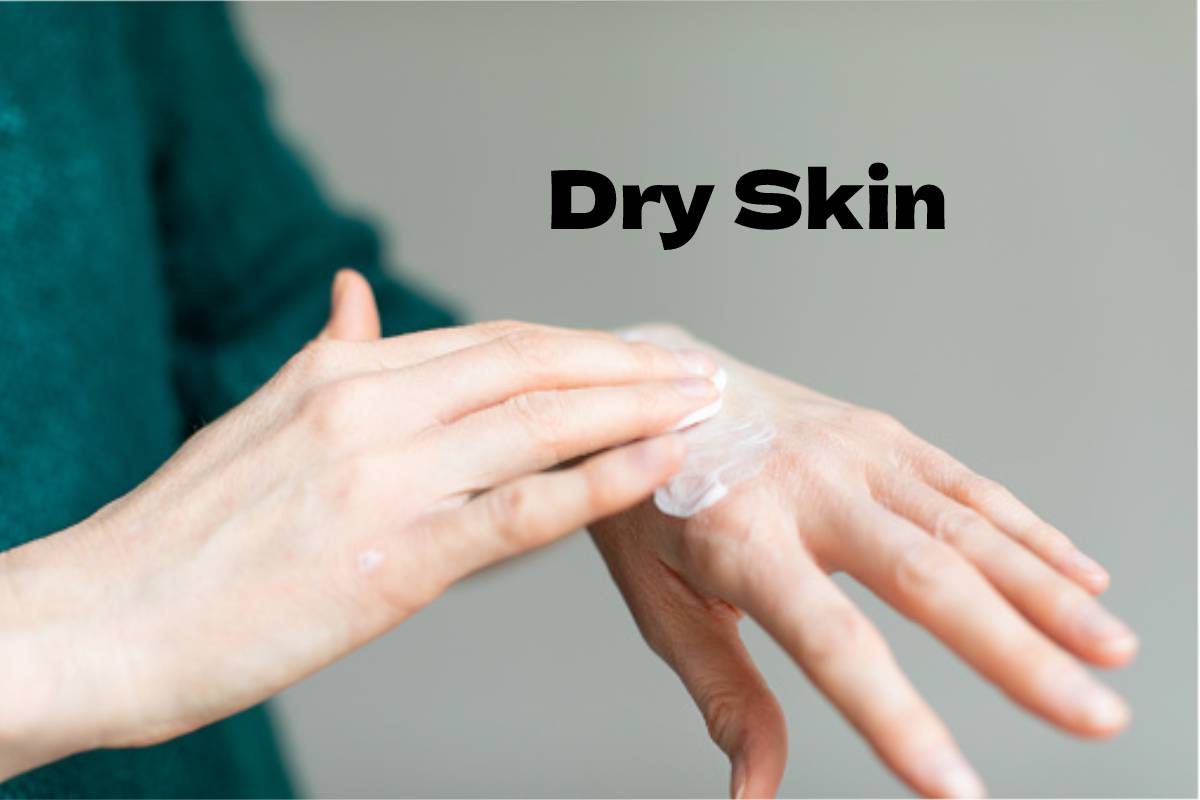
- Moisturize: Moisturizer helps seal the skin and reduce water loss.
- Limit water exposure: Keep bath and shower time to 10 minutes or less.
- Use warm water, not hot: Try to bathe no more than once a day if frequent bathing worsens your dryness.
- Avoid drying soaps: Try cleansing creams, gentle skin cleansers, and shower gels with added moisturizers.
- Protect your skin in cold or windy weather: Winter can be particularly drying, so wear a scarf, hat, and gloves when going outside.
- Wear rubber gloves: If you need to immerse your hands in water or use harsh cleansers, gloves can help protect your skin.
Supporting Skin Health Through Nutrition
A balanced diet provides nutrients that support overall health, including the normal functioning of the skin. Eating a variety of fruits, vegetables, healthy fats, and protein-rich foods can help meet your nutritional needs.
Nutrition also plays a role in hair health. If you’re interested in learning more about foods that provide nutrients for healthy hair, read this guide to foods for hair growth and stronger-looking hair.
Understanding Other Beauty Treatments
Dry skin is generally managed through gentle skin care, moisturizers, and addressing the underlying cause. Cosmetic procedures, however, are designed to address different concerns and are not treatments for dry skin.
If you’re researching facial contouring procedures for cosmetic reasons, you can learn more about buccal fat removal and its before-and-after results. Consult a qualified medical professional to understand the potential benefits, risks, and suitability of any cosmetic procedure.
Conclusion
Dry skin can result from weather conditions, low humidity, hot showers, harsh cleansers, aging, and certain skin conditions. Common symptoms include itching, roughness, flaking, redness, and cracking.
You can often manage mild dryness by using a suitable moisturizer, taking shorter warm showers, avoiding harsh soaps, and protecting your skin from cold weather. If dryness persists, becomes severe, or develops signs of infection, consult a dermatologist for appropriate evaluation and treatment.