


Is Cardio Good for Arrhythmia. Are you worried about arrhythmia and wondering if cardiovascular exercise could help? Studies reveal that cardio
Cardio exercise can benefit most arrhythmia patients when done safely, but risks vary by type and severity—moderate activity often reduces AFib recurrence by 20-50% per recent studies.
Table of Contents
Safe Cardio Benefits by Arrhythmia Type
| Arrhythmia Type | Cardio Recommendation | Key Benefits | Risks to Avoid |
| Atrial Fibrillation (AFib) | Moderate (150 min/week walking, cycling) | 57% lower recurrence, improved VO2 peak | High-intensity triggers episodes |
| Ventricular Arrhythmia | Light-moderate after ICD clearance | Reduced mortality risk, better heart function | Sudden death risk if unstable |
| Supraventricular Tachycardia | Low-impact yoga, swimming | Stress reduction lowers triggers | Dehydration worsens episodes |
| Bradycardia | Gradual cardio progression | Improves heart rate response | Overexertion causes dizziness |
Why Cardio Helps (Medical Evidence)
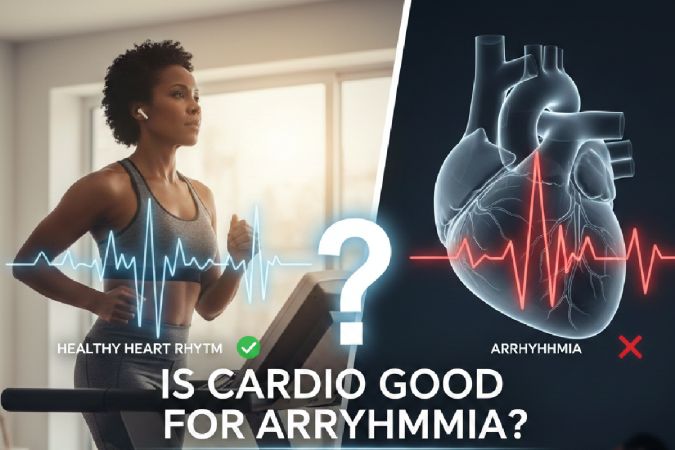
2025 Cochrane Review (16 RCTs, 1,700+ AFib patients): Exercise-based cardiac rehab cut AFib burden by 57%, symptom severity by 1.61 points, with clinically meaningful VO2 gains (3.18 mL/kg/min).
Mechanisms:
- Anti-inflammatory effects reduce atrial remodeling
- VO2 peak improvement (>1 mL/kg/min = better prognosis)
- Autonomic balance prevents sympathetic overdrive
Essential Safety Guidelines
GET MEDICAL CLEARANCE FIRST—stress test required for moderate+ exercise.
Safe Starting Protocol:
Week 1-2: 10-15 min walks, 3x/week @ 50-60% max HR
Week 3-4: Add 5 min stationary bike, target 65-70% max HR
Monitor: Stop if palpitations, chest pain, dizziness
Red Flags (Stop Immediately):
- Irregular pulse >30 min post-exercise
- HR >85% max during activity
- Shortness of breath at rest
Best Cardio Types Ranked
| Exercise | Safety Score | AFib Benefit | Equipment Needed |
| Brisk Walking | 9.5/10 | Excellent | None |
| Stationary Bike | 9/10 | Excellent | ₹5,000+ |
| Swimming | 8.5/10 | Very Good | Pool access |
| Yoga (Hatha) | 8/10 | Good (stress reduction) | Mat |
| Elliptical | 7.5/10 | Good | Gym |
Pro Tip: Target Zone 2 cardio (60-70% max HR) = maximum AFib protection, minimal trigger risk.
When Cardio Becomes Dangerous
2025 Animal Study Warning: Moderate-high loads triggered ventricular arrhythmias in susceptible models.
High-Risk Groups:
- Uncontrolled hypertension (>160/100)
- Recent myocardial infarction (<6 weeks)
- Symptomatic heart failure (NYHA III-IV)
- Electrolyte imbalances (low K+/Mg++)
Real Patient Outcomes
66,000 AFib Cohort (2025): Exercise initiators post-diagnosis had 30-40% lower HF/stroke rates vs sedentary.
Case Study: 58yo male, paroxysmal AFib
- Pre: 2x/week episodes, VO2 18 mL/kg/min
- 12 weeks: Zone 2 walking program
- Post: 0 episodes, VO2 24 mL/kg/min, 15lb weight loss
Actionable Weekly Plan (Cleared Patients)
| Day | Activity | Duration | Intensity |
| Mon | Walk | 20 min | Conversational pace |
| Wed | Bike | 15 min | 60-70% max HR |
| Fri | Yoga | 25 min | Beginner flow |
| Sun | Walk + stretch | 30 min | Easy |
Progression: Add 5 min/week if no symptoms.
Tips for Safe and Effective Cardio Exercise
- Follow your body: Monitor for chest pain, dizziness, or extreme shortness of breath during cardio—stop immediately and seek medical attention if symptoms persist beyond 5 minutes.
- Warm up/ cool down: Before beginning your cardio exercise, you should warm up by stretching or walking around in light form a few minutes. Equally, a couple of minutes of cooling off gradual reduction of the intensity of your activity after the exercise will help.
- Keep hydrated: Take as much water as possible before, during and after your cardio exercise to avoid dehydration and be at your best.
- Engage in correct form: Maintain neutral spine on bikes/treadmills; improper posture increases vagal stimulation risk. Follow ACSM exercise guidelines for arrhythmia-safe mechanics.
- Gradually intensify: You will want to begin with low-to-moderate intensity exercise and slowly build the duration and the intensity of the exercise, as you develop fitness. This will ensure that overworking is avoided and that your heart is not overworked.
- Add some variability: Mix up training activities: Do not stick to only one kind of cardio activity to train different muscles of your body.
- Think over monitoring equipment: Heart rate monitors and fitness watches can give you important information on your cardiovascular standing in the process of exercising.
- Never forget rest days: It is important to give your body a chance to relax a day or two in the week to rest after exhaustive workouts.
These tips allow engaging in safe and effective cardio exercise with arrhythmia, which will benefit the heart and the general well-being without risking its health.
Frequently Asked Questions
Is walking safe with AFib?
Yes—150 min/week moderate walking cuts recurrence 57% per Cochrane data.
What heart rate is safe?
60-70% max HR (220-age); use wearable monitor.
Can I exercise with a pacemaker?
Yes, after cardiologist clearance—prefer recumbent bike.
Does cardio cure arrhythmia?
No, but reduces frequency/severity 20-50% in most cases.
What if I feel palpitations during exercise?
Stop immediately, hydrate, monitor 30 min. Consult doctor if >5 min.
Final Verdict:
Cardio is a good and prescribed treatment to a patient with stable arrhythmia. Moderate intensity is 80 percent, the same as the high-intensity, 10 percent, and the high-intensity is dangerous. Start with the least dangerous outcomes by walking programs that have been cleared. Always one should adhere to the opinion of the cardiologist and not general opinion.