

Last Updated: October 20, 2026
Table of Contents
LASIK Surgery: Step-by-Step Guide to the Procedure and Recovery
Deciding to have LASIK surgery is a significant step toward visual freedom. Understanding what happens from your first consultation to full recovery helps you prepare for the journey ahead. Here’s a complete walkthrough of the LASIK process and what you can expect at each stage.
Step 1: The Initial Consultation
Your LASIK journey begins with a comprehensive consultation. This appointment goes far beyond a standard eye exam. Your surgeon will perform several diagnostic tests to evaluate your candidacy for the procedure.
During the consultation, your eye doctor will review your medical history and current medications. You’ll undergo a detailed eye examination that includes measuring your visual acuity, checking eye pressure, and examining eye structures. Advanced diagnostic tools map your cornea’s shape and thickness, which is essential for planning safe treatment.
Corneal topography creates a detailed map of your eye’s surface. This information programs the treatment laser for your specific needs. Your doctor will also test your tear film to check for dryness that might affect healing.
Vision screening is an important part of identifying potential eyesight problems and determining whether further examination is necessary. Although a workplace vision screener device can help identify some vision concerns, it does not replace the detailed diagnostic testing required before LASIK surgery.
The consultation includes a discussion of surgery details, possible risks, benefits, and costs. You’ll have time to ask questions and address concerns. At the end, your doctor determines if you’re a suitable candidate for LASIK.
Step 2: Pre-Surgery Preparation
Once you’re cleared for surgery, you’ll receive specific instructions to follow before your procedure. If you wear contact lenses, you’ll need to stop wearing them for a period before surgery. This allows your cornea to return to its natural shape.
Your surgeon will explain what to expect on surgery day. You’ll arrange for someone to drive you home after the procedure, as your vision will be blurry immediately following treatment.
You should also tell your surgeon about any eye allergies, previous eye procedures, dry-eye symptoms, or products you regularly use around your eyes. For example, if you wear false eyelashes or use products containing eyelash extension adhesive, ask your eye-care team whether you need to stop using them before surgery. Follow the clinic’s specific instructions rather than assuming every cosmetic product has the same effect.
Before your appointment, prepare a list of your medications, supplements, and questions. Ask when to stop wearing contact lenses, which products to avoid, whether you need to change your usual eye-care routine, and when you can return to work or exercise. Preparation helps you understand your responsibilities and reduces last-minute uncertainty.
Step 3: The Day of Surgery
LASIK surgery is remarkably quick. The entire procedure takes about 15 to 20 minutes for both eyes. You’ll be awake during the procedure, but numbing drops make it pain-free.
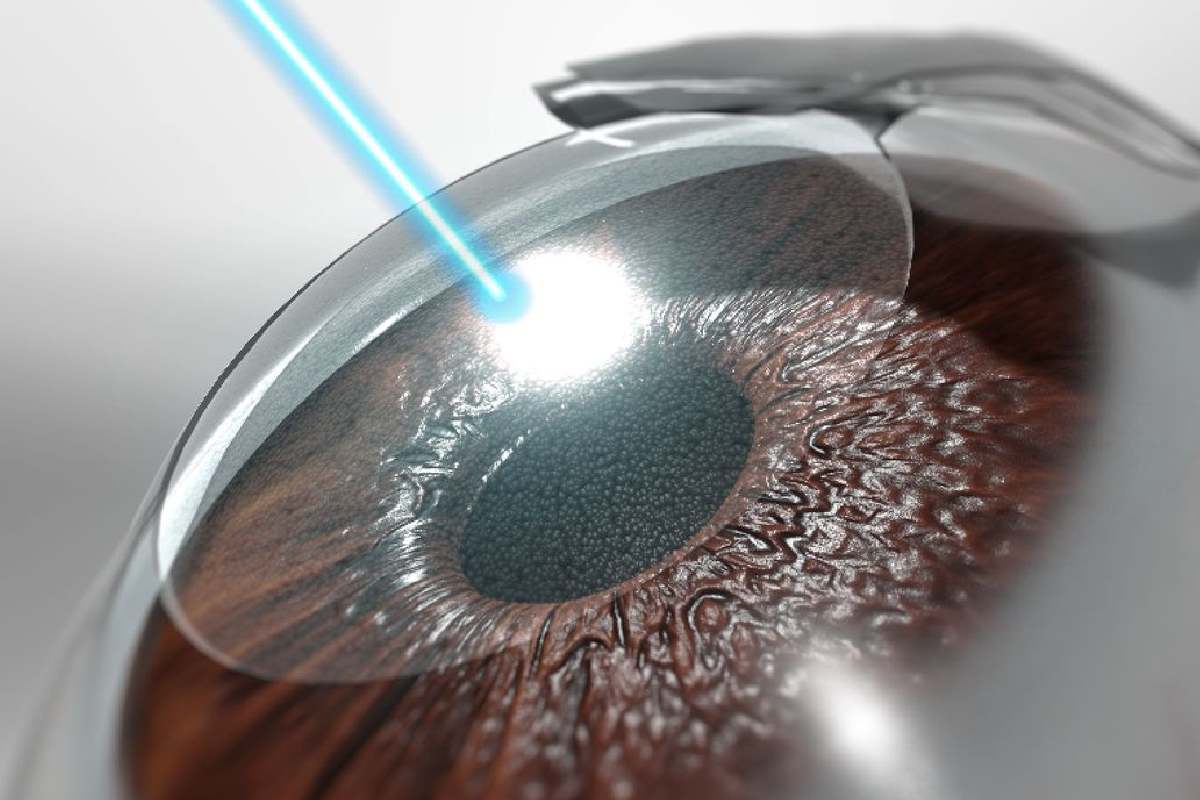
The process begins with eye preparation. Your surgeon applies numbing drops and places an eyelid holder to prevent blinking. A femtosecond laser creates a thin flap in your cornea. This is the most crucial step and affects the visual outcome.
Next, the surgeon folds back the flap to access inner corneal tissues. An excimer laser reshapes your cornea to correct your vision. The laser removes microscopic layers and smooths irregularities based on your unique prescription. To understand the science behind this stage, read more about how LASIK reshapes vision.
Finally, the flap is repositioned over the cornea. The edges are smoothed, and healing begins immediately. Many patients notice improved vision right away.
Although LASIK is a relatively short procedure, the decision to undergo it should never be rushed. Your prescription, corneal thickness, eye health, lifestyle, and expectations all matter. LASIK may not be suitable for everyone, and an ophthalmologist may recommend another vision-correction option if the examination identifies concerns.
Step 4: Immediate Recovery
Most patients experience a dramatic improvement in vision the same day. However, some blurriness is expected for the first one to two days. You’ll need to rest your eyes and avoid screens and reading during the first 24 hours.
Your doctor will provide eye shields to wear while sleeping. Keep water and soap out of your eyes during initial healing. You may receive eye drops to prevent infection and reduce inflammation.
During the first few days, avoid rubbing your eyes, and use prescribed eye drops exactly as directed. Temporary symptoms can include dryness, light sensitivity, glare, halos around lights, and fluctuating vision. These effects vary from person to person, so do not compare your recovery too closely with someone else’s experience.
Follow your surgeon’s instructions about showering, washing your face, applying makeup, and returning to physical activity. Swimming pools, hot tubs, lakes, and other bodies of water can expose healing eyes to irritants or microorganisms. If you have questions after an accidental exposure, such as accidentally swimming in a shocked pool, contact your eye-care team for advice instead of assuming the water exposure is harmless. Avoid swimming until your surgeon says it is safe.
Seek prompt medical advice if you experience severe or increasing pain, sudden worsening of vision, marked redness, or symptoms that concern you. These should not simply be dismissed as routine healing.
Step 5: Follow-Up Appointments
Your first follow-up appointment occurs 24 to 48 hours after surgery. Your doctor checks your healing progress and vision improvement. They’ll assess if any alterations to your care plan are needed.
Additional appointments typically occur at three to four weeks, three months, and 12 months after treatment. These visits involve tests to check your visual outcomes and ensure smooth recovery.
Keep every scheduled appointment, even if your vision seems excellent. Follow-up examinations allow your surgeon to monitor healing, check for dryness or other complications, and determine whether your recovery is progressing as expected. Contact the clinic if you have questions or notice unexpected changes between visits.
Step 6: Complete Healing
While many patients return to normal activities within two days, complete refractive stabilization may take up to three months. Side effects like dry eyes and glare typically resolve within six months.
Follow all post-operative care instructions carefully. Attend every follow-up appointment to ensure optimal results.
Recovery times differ, and clear vision immediately after surgery does not mean the eyes have completely healed. Some people need additional time for their vision to stabilize, while dryness or night-time glare may persist for longer. Your surgeon can explain what is typical for your individual situation and whether any symptoms need further evaluation.
Protecting your eye health also means seeking professional advice when symptoms arise instead of relying on online information alone. The same general principle applies to other areas of preventive care: for example, understanding why a dentist may suggest getting a crown can help patients ask informed questions about treatment options. However, dental treatment and LASIK are separate matters, and dental advice does not determine whether you are a suitable LASIK candidate.
Step 7: Maintaining Eye Health After LASIK Surgery
Once your surgeon confirms that your eyes are healing well, ask how to maintain your vision and protect your eyes over the long term. Keep up with recommended eye examinations and discuss any persistent dryness, glare, or changes in vision. LASIK corrects the refractive error treated during surgery, but it does not prevent every eye condition or eliminate the need for future eye care.
Healthy daily habits can support your general well-being, including getting adequate sleep, taking breaks during extended screen use, and following professional advice for any ongoing eye symptoms. If you use eye drops, make sure you understand which products your clinician recommends and how often to use them.
General health information can also help you become a more informed patient. For instance, learning about ingredients such as nano-hydroxyapatite in toothpaste may help you ask better questions about dental products, just as discussing eye drops and post-operative instructions with your ophthalmologist helps you make informed decisions about eye care. These topics address different aspects of health, so always seek advice from the appropriate professional for your specific needs.
Take Your First Step Toward Clear Vision
Ready to begin your LASIK journey? The first step is scheduling a comprehensive consultation with an experienced doctor. Dr. Eduardo Besser, ophthalmologist, offers personalized care and uses state-of-the-art technology for customized, all-laser LASIK procedures. He is a renowned Los Angeles LASIK specialist and also one of the top cataract surgeons in Los Angeles.
Contact Dr. Besser’s office to schedule your consultation. Discover if LASIK is right for you and start your path to visual freedom.