

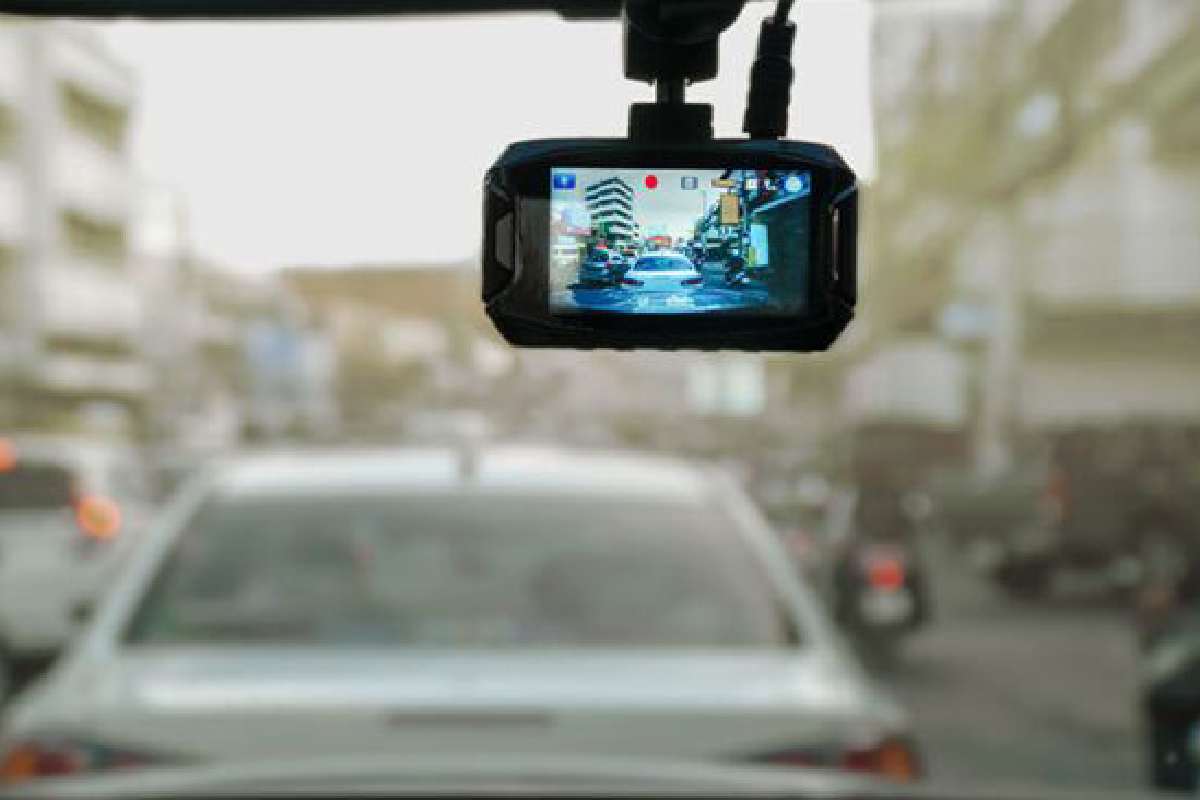
Mass Dash Cam Adoption. Dash cams are moving out of the “gadget‑wall” at electronics stores and into the windshields of millions of cars around the world. What was once a niche accessory for enthusiasts is now a mainstream safety and evidence tool—and we’re entering an era of mass dash‑cam adoption.
This shift isn’t random. It’s driven by a mix of rising safety awareness, smarter technology, insurance incentives, and evolving regulation. In this article, we’ll break down what “mass dash‑cam adoption” actually looks like, why it’s happening, and what it means for drivers, fleets, and insurers.
Table of Contents
Understanding the Idea of “Mass Dash Cam Adoption”
In simple terms, “mass dash‑cam adoption” means that a large share of vehicles routinely carry and use dash‑cam recording systems, so they’re no longer a rarity but an expected feature.
Industry analysts often think in stages:
- Pioneer stage: early adopters, usually tech‑curious or safety‑conscious drivers.
- Early majority: fleets, insurers, and regulators start pushing dash cams.
- Mass adoption: dash‑cam‑equipped vehicles are the norm rather than the exception.
- Saturation: almost all relevant vehicles have some form of recording, often factory‑built‑in.
Exact percentages vary by country, but if you’re seeing cameras on more than 30–40% of cars in a region and that share is growing quickly, you’re likely observing mass‑adoption dynamics.
The Power of the Dash Cam
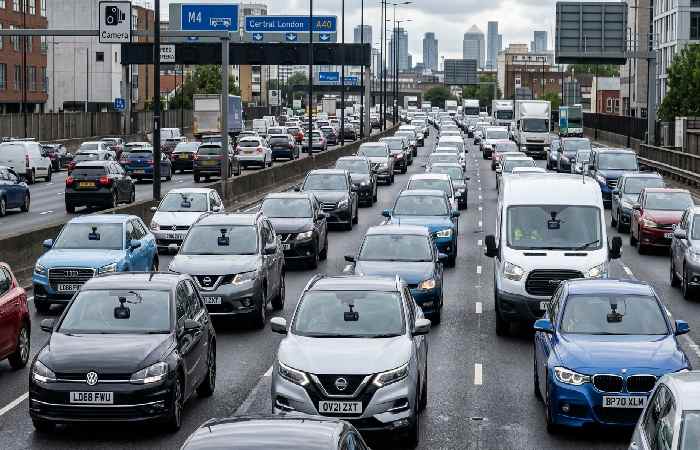
The dash cam, a humble yet formidable tool, is often seen as a guardian of truth. It captures the raw, unfiltered reality of our roads, documenting every twist and turn with precision. But beyond serving as evidence in traffic disputes, could these devices be harnessed to map dangerous roads and intersections? Absolutely.
Consider the data a single car dash cam can collect: speed, location, and real-time footage of every journey. Multiply this by thousands, or even millions, and cities can tap into a goldmine of information. This wealth of data can be analyzed to pinpoint accident hotspots, identify patterns, and even predict potential dangers before they manifest. It’s like having a digitiform blueprint of the city’s road network, highlighting areas in need of urgent attention.
Where Dash Cam Adoption Is Happening Fastest
Dash‑cam adoption is global, but it’s concentrated in certain regions and vehicle types.
High‑adoption regions
- United Kingdom: estimates suggest around 15% of vehicles already have dash cams, with many insurers offering discounts to dashboard‑camera‑equipped drivers.
- United States: survey data indicate that about 30% of U.S. drivers now record their trips with dash cams, and close to 40% of non‑owners say they plan to buy one within a year.
- Russia and parts of Asia: dash cams are widely used due to concerns over traffic scams, hit‑and‑runs, and heavy traffic.
Vehicle‑segment hotspots
- Commercial fleets (trucks, logistics, delivery vans) often have 50% or more penetration of in‑cab camera systems, especially in safety‑conscious operators.
- Ride‑hailing and food‑delivery drivers are early adopters because they’re exposed to frequent disputes and road‑rage incidents.
Across these markets, the pattern is the same: denser traffic, higher insurance costs, and more visible risks push dash‑cam use into the mainstream.
Key Drivers Behind Mass Dash Cam Adoption
More than “cool tech,” dash cams are spreading because they solve real problems and receive strong support from powerful players.
Safety and evidence‑seeking behavior
- Drivers increasingly want objective proof in case of accidents, hit‑and‑runs, or passenger disputes.
- Smartphone culture has normalized constant recording; dash cams extend that mindset to the car.
Insurance and financial incentives
- Insurers use dash‑cam footage to speed up claims, reduce fraud, and better assess risk.
- Many carriers now offer premium discounts or special policies for drivers who voluntarily install dash cams.
Government and regulatory forces
- In India, upcoming ADAS mandates for new buses and trucks (including advanced braking and lane‑departure‑warning systems) are expected to push integrated dash‑cam and camera systems.
- In China and other Asian markets, smart‑city investments and municipal grants are lowering the cost barrier for connected dash cams.
Affordability and better technology
- Global average prices for dash cams have fallen sharply, with some models around 60% cheaper than early generations.
- Higher resolution (4K), AI‑driven alerts, cloud storage, and 4G/5G connectivity make dash cams more useful and easier to manage.
Together, these forces create a self‑reinforcing loop: better tech → lower prices → more users → stronger demand from insurers and regulators → even more adoption.
How will insurance pricing change with mass dash cam data
With mass dash‑cam data, insurance pricing will gradually shift from broad‑brush risk brackets (age, postcode, car model) toward fine‑grained, evidence‑based pricing that rewards safe, documented behavior and penalizes or flags risky patterns.
Below is how this is likely to play out in practice.
1. Upfront discounts and “safe‑driver” credits
Many insurers already offer direct discounts for vehicles equipped with dash cams, especially fleets and commercial operators. With mass adoption, this will become more standardized:
- Dash‑cam‑equipped bonus: Policies may include a small percentage reduction (e.g., 5–15%) just for having a functioning dash‑cam system, because it reduces fraud risk and speeds up claims.
- Fleet‑specific breaks: Large fleets using AI‑powered dash‑cam systems can see 15–30% lower premiums when they demonstrably cut claim rates and risky behavior.
Over time, “no dash cam” could be treated more like a missing safety feature, nudging the price upward.
2. Usage‑based pricing with behavioral data
Mass dash‑cam data rarely lives in isolation; it’s often bundled with telematics (GPS, speed, braking, cornering). That combination changes how insurers price risk:
Real‑time risk scoring:
-
- AI‑enhanced dash cams can detect hard braking, tailgating, distracted driving, and seat‑belt use.
- Insurers can use this to adjust premiums monthly or annually, rewarding drivers who consistently avoid risky maneuvers.
Dynamic pricing tiers:
-
- Today, you might be in a “20–25‑year‑old male” bracket; tomorrow, you could be in a “low‑risk, camera‑verified driver” tier, even if you’re young.
- Similarly, high‑risk drivers identified by frequent harsh‑braking or lane‑drifting events may see higher premiums or policy restrictions.
Effectively, dash‑cam data makes UBI (usage‑based insurance) sharper and harder to “game,” because video evidence underpins the raw telematics signals.
3. Faster claims and lower fraud = lower base rates
Even if your premium isn’t cut directly, mass dash‑cam adoption lowers the overall cost of claims for insurers, which can translate into softer pricing over time.
Key mechanisms:
Faster, cleaner settlements
-
- Clear footage settles blame quickly and reduces lengthy investigations and disputes.
- This cuts legal and administrative costs, which insurers often bake into premiums.
Reduced inflated and fraudulent claims
-
- Dash cams deter staged accidents, fake injuries, and false hit‑and‑run stories, because there’s video evidence.
- Studies show fleets using video telematics see lower claim values and fewer legal disputes, which directly reduces payout pressure.
Over the long term, a lower‑loss, lower‑fraud environment can allow insurers to keep base rates flatter or grow benefits (wider coverage, faster payouts) without steep hikes.
4. Fleet‑specific pricing models
For commercial and gig‑economy fleets, mass dash‑cam data is already reshaping quotes in a very visible way.
Typical changes include:
- Risk‑reduction credits
- Insurers may offer discounts of 10–30% when fleets prove measurable reductions in incidents, speeding, or collision rates after installing dash cams.
- Performance‑linked contracts
- Some underwriters tie parts of the premium to verified safety KPIs (e.g., “fewer than X harsh‑braking events per 100 hours of driving”).
- Fewer “hammer‑and‑tongue” negotiations
- With video evidence, insurers and fleets argue less over fault and more over how to further improve safety, which stabilizes pricing.
In short, mass dash‑cam data makes fleet insurance more transparent and performance‑driven, not just “volume‑and‑history” priced.
5. Privacy‑protective pricing vs invasive surveillance
Mass dash‑cam‑driven pricing will only be socially acceptable if it’s privacy‑by‑design. Expect evolution in how insurers access data:
- Automated analysis, minimal human review
- AI‑based systems may flag only risky events (e.g., near‑miss, hard braking) for review, rather than storing and watching every second.
- Anonymization and access controls
- Insurers may store blurred faces, limited retention periods, and strict access rules to win regulator and consumer trust.
Where these safeguards are weak, regulators may push back, which could slow down aggressive dash‑cam‑based pricing—but in well‑regulated markets, more granular pricing is likely.
In summary: How pricing will change
- Baseline discounts for dash‑cam‑equipped vehicles and fleets will become more common.
- Telematics + dash‑cam data will enable highly individualized, behavior‑based premiums that better reflect real‑world risk.
- Lower fraud and faster claims will reduce insurers’ loss burden, potentially moderating rate hikes across the board.
- Fleets and gig‑economy operators will see the most dramatic shifts, with pricing explicitly tied to documented safety performance.
With mass dash‑cam data, insurance pricing will move from “statistical guesswork” to “evidence‑driven fairness”—rewarding drivers who drive safely and transparently, while highlighting those who don’t