

The nutrient supplements are ubiquitous. With multivitamins and fish-oil capsules on the pharmacy shelves and protein shakes and so-called greens powders on the Internet, it seems that you are falling behind when you are not having one.
Table of Contents
Nutrient Supplements
Nutrient supplements are highly concentrated forms of vitamins, minerals, amino acids, fatty acids or other dietary components that are consumed to supplement deficiencies in the diet. They are available in a wide variety of products, including tablet, capsule, gummy, powder, and liquid dietary supplements, not drugs.
The key idea is supplement, not replace. They’re meant to support whole‑food nutrition, not stand in for it.
What Are Nutrient Supplements, Exactly?
Officially, a dietary supplement is a product that contains one or more “dietary ingredients” (vitamins, minerals, herbs, amino acids, probiotics, enzymes, etc.) and is intended to supplement the diet when taken by mouth.
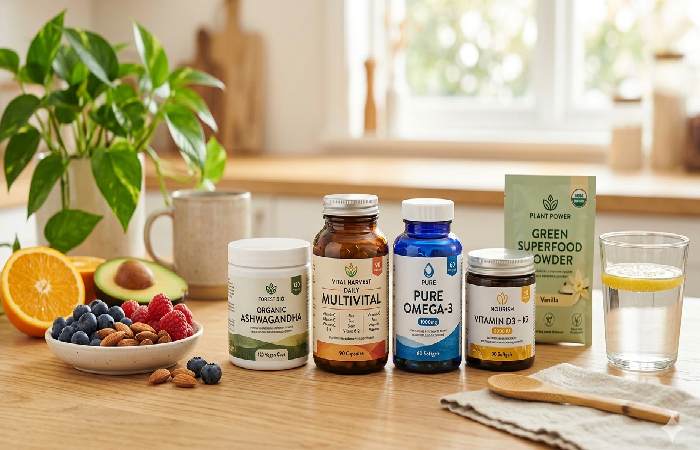
In everyday language, “nutrient supplements” usually mean:
- Vitamins (like vitamin D, B12, C, A, E).
- Minerals (like calcium, iron, magnesium, zinc, iodine).
- Omega‑3 and other fatty‑acid supplements.
- Protein and amino‑acid powders.
- “Functional” blends such as probiotics, greens‑in‑a‑powder, mushroom extracts, and adaptogens.
- They’re sold as over‑the‑counter products, not FDA‑approved medicines, which means they don’t need pre‑market approval for safety and efficacy in the same way prescription drugs do.
Why Might You Need Nutrient Supplements?
Most people can get everything they need from a balanced diet—if they actually eat enough variety and adequacy. But several real‑world situations make nutrient supplements sensible or even medically recommended:
When diet alone isn’t enough
- Very limited diets (vegan, strict plant‑based, highly processed, very low‑calorie).
- Picky or erratic eating patterns (especially in teens or older adults).
Life‑stage and body‑change needs
- Pregnancy and breastfeeding: higher demands for folate, iron, vitamin D, and iodine.
- Older adults: reduced absorption, appetite, and sun exposure can create gaps in vitamin D, B12, calcium, and magnesium.
- Children and teens: rapid growth plus food fads can create shortfalls, though most don’t need extras if they’re otherwise healthy.
Medical and lifestyle factors
- Digestive or absorption issues (coeliac disease, Crohn’s, gastric surgery).
- Certain medications that deplete nutrients (e.g., some diuretics, metformin, PPIs).
- High‑intensity exercise or extreme sports, where sweat losses and energy demands may exceed dietary intake.
Importantly, supplements can’t “fix” an overall poor diet or lifestyle. They’re best used as a targeted top‑up, not a get‑out‑of‑jail‑free card for cookies and energy drinks.
Common Types of Nutrunrient Supplements
Not all nutrient supplements are created equal. Here’s a quick tour of the most common types and where they fit in:
Vitamins
- Multivitamins: broad‑spectrum “back‑up” for micronutrients; often useful in picky eaters, older adults, or restrictive diets.
- Vitamin D: critically important for bone health, immunity, and mood; many people are low, especially in colder countries or with limited sun.
- B‑vitamins (B1, B2, B6, B12, folate): support energy metabolism, red‑blood‑cell formation, and brain function. Vegans and older adults are at particular risk for B12 deficiency.
- Vitamin C and E: often promoted for immunity and “antioxidant” benefits, but evidence is mixed beyond correcting deficiency.
Minerals
- Calcium and vitamin D: key duo for bone health, especially in women and older adults.
- Iron: essential for blood‑oxygen transport; many menstruating women need extra, but too much can be harmful.
- Magnesium and zinc: involved in hundreds of enzyme reactions, muscle function, and immunity; commonly considered but best targeted to clear need.
Omega‑3 and other fatty acids
- Omega‑3 (EPA/DHA): may support heart health, triglycerides, and some brain‑ and eye‑health metrics.
- Not a “magic heart‑attack‑shield,” but can be sensible for people who rarely eat oily fish.
Protein and amino acids
- Protein powders (whey, plant‑based): popular among athletes and people who struggle to meet daily protein needs.
- They’re useful for muscle maintenance and recovery, but whole‑protein foods (dairy, legumes, meat, eggs, lentils) are still the gold standard.
“Functional” supplements
- Probiotics: live microorganisms that may help gut and immune health in specific cases.
- Greens powders: blends of dehydrated vegetables, seaweeds, and herbs; they can add phytonutrients but rarely replace a full salad.
- Adaptogens and mushroom blends: often marketed for stress and “cognitive” support, but evidence is limited and highly variable.
Health Benefits: What Nutrient Supplements Can (and Can’t) Do
When used correctly, nutrient supplements can be genuinely helpful. When overused or misunderstood, they can be pointless or even harmful.
What they can do
- Fix or prevent known deficiencies: iron for anemia, vitamin D for low‑sun people, B12 for vegans or older adults, folate in pregnancy, etc.
- Support specific health areas in targeted groups:
- Calcium + vitamin D for bone density in post‑menopausal women and older men.
- Omega‑3 for people with high triglycerides or limited fish intake.
- Folic acid in pregnancy to reduce neural‑tube‑defect risk.
What they usually can’t do
- Replace a healthy diet: no amount of multivitamins can compensate for chronic junk‑food eating.
- Guarantee disease prevention in healthy people with adequate nutrition. Many “anti‑cancer” or “long‑life‑elixir” claims are exaggerated or unproven.
- Override lifestyle damage: supplements can’t fully erase years of smoking, poor sleep, or inactivity.
- The most realistic view is: nutrient supplements work best when they patch a real, evidence‑based gap, not when they’re taken “just in case.”
Risks, Side Effects, and Overuse
For many people, a low‑dose, evidence‑based supplement (like vitamin D or B12) is low‑risk. But “dietary supplement” does not mean “harmless.”
Toxicity and “more is not better”
- Fat‑soluble vitamins (A, D, E, K) can build up in the body; megadoses of vitamin A or D can cause liver or bone problems.
- Iron: essential for some, but dangerous in excess, especially in people with hemochromatosis.
- High‑dose mineral blends can unbalance electrolytes and affect kidney function.
Drug‑interaction red flags
- Vitamin K and blood thinners (warfarin): changes in vitamin K intake can alter how well warfarin works.
- Vitamin E and high‑dose fish‑oil: both may increase bleeding risk when combined with blood thinners.
- St. John’s wort and many prescription drugs: affects how the body processes meds (including antidepressants, anticoagulants, and heart medications).
Allergic reactions and poor‑quality products
- Some supplements contain allergens (soy, dairy, shellfish, herbs) or fillers that trigger reactions.
- Low‑quality or adulterated products may be contaminated, mislabeled, or contain hidden drugs.
Over‑emotional marketing
- “All‑natural,” “earth‑grown,” or “bio‑identical” labels don’t automatically mean safer or more effective.
- Bold claims like “boosts immunity overnight” or “detoxifies your liver” are often unsupported by robust evidence.
- If you’re on any prescription medication, have a chronic illness, or are pregnant or breastfeeding, it’s worth running any new supplement plan past a doctor or registered dietitian.
How to Choose Safe, High‑Quality Nutrient Supplements
With so many brands and packages, how do you avoid wasting money on junk? Start with a simple checklist.
1. Read the label properly
- Ingredients list: know what’s in there—active compounds, “other ingredients,” and allergens.
- Dosage per serving: compare with recommended daily values (DV) or dietary‑reference intakes (DRI).
- “Proprietary blends”: beware products that hide exact amounts behind vague formulas.
2. Prefer third‑party tested brands
- Look for marks like USP‑verified, NSF, Informed‑Sport, or ConsumerLab when available.
- These labels suggest independent testing for purity, potency, and contaminants.
3. Manufacture and quality standards
- Check for GMP (Good Manufacturing Practice) or similar quality‑control statements.
- Well‑known pharmaceutical or large‑dietary‑supplement companies often have stricter quality control than “house‑brand” no‑name powders.
4. Avoid unrealistic claims
- Be skeptical of “miracle cure,” “cancer‑preventive,” or “detox” claims that sound like medicine‑style promises.
- Legitimate supplements usually say things like “supports,” “may help,” or “for bone/immune/heart health,” not “cures” or “treats.”
5. Price vs value
- Sometimes a mid‑range, reputable brand is safer and more reliable than a dirt‑cheap or ultra‑expensive “signature” product.
- Very low prices can signal corners cut on testing and quality; very high prices may reflect marketing, not science.
Who Benefits Most from Nutrient Supplements?
Not everyone needs a supplement stack. But some groups see real‑world benefits when they’re used thoughtfully.
Pregnant and breastfeeding women
- Folic acid / folate: reduces risk of neural‑tube defects. Often recommended before and during early pregnancy.
- Iron and vitamin D: common extras to support blood volume and bone health. Always under medical guidance.
Older adults (60+)
- Vitamin D and calcium: for maintaining bone strength and reducing fracture risk.
- Vitamin B12: many older adults have trouble absorbing B12 from food and may need sublingual or higher‑dose supplements.
Vegans and vegetarians
- Vitamin B12: not naturally found in plant‑based foods; supplementation is almost always necessary.
- Iron, zinc, omega‑3 (DHA/EPA): plant‑based diets can be low in these; targeted supplements help fill gaps.
Athletes and highly active people
- Protein supplements: convenient for meeting higher protein needs after training.
- Omega‑3 and antioxidants: sometimes used to support recovery and inflammation control, but requirements still depend on overall diet.
People with medical conditions
- Malabsorption diseases, gastric surgery, or chronic illnesses often require individualized plans with lab‑test‑backed dosing.
- If you’re otherwise healthy, eat a varied diet, and take no meds, the “default” position is: try to get your nutrients from food first, and only add supplements where there’s a clear rationale.
Nutrient Supplements vs Whole‑Food Nutrition
Nutrient supplements are useful tools, but they’re not substitutes for real food.
Why food should come first
- Whole foods contain fiber, phytonutrients, and synergistic compounds that supplements struggle to replicate.
- A diet rich in fruits, vegetables, whole grains, legumes, nuts, seeds, and quality protein typically covers most micronutrient needs.
When supplementation is a smart add‑on
- If you’re low on something specific (e.g., vitamin D, iron, B12), a supplement can quickly correct that gap.
- Some people prefer or rely on fortified foods (breakfast cereals, dairy‑alternatives, multigrain breads) plus targeted supplements for a few hard‑to‑get nutrients.
Practical example
- Instead of buying a “super‑greens” powder you’ll barely use, you might add one more vegetable per day and a small portion of nuts or seeds.
- If you still struggle with vitamin D or B12, then a single, evidence‑based supplement completes the picture.
The goal is a balanced “food‑plus‑supplement” strategy, not a “pill‑only” approach.
How to Use Nutrient Supplements in Your Daily Routine
Taking supplements correctly matters almost as much as choosing them.
Timing and absorption
- Fat-soluble vitamins (D, E, A, K) and omega-3 tend to be better absorbed with a meal that has a little bit of fat.
- Iron is one that is most commonly taken on an empty stomach, although it may cause stomach upset, so in that scenario, iron is taken with a small meal that has food in it.
- Calcium may inhibit absorption in case it is consumed simultaneously; it is prudent to separate them.
Stability vs immediate utilization. - Multivitamins, vitamin D, or B12: commonly used every day over a long period of time when there is consistent need.
- Iron, vitamin C or particular so-called immune-support regimens may be temporary in case they are associated with a deficiency or a seasonal issue.
Consistency vs short‑term use
- Multivitamins, vitamin D, or B12: often taken daily long‑term if there’s a stable need.
- Iron, vitamin C, or specific “immune‑support” regimens might be short‑term if they’re tied to a deficiency or seasonal concern.
Conclusion
supplements should not be used to replace food since the supplements cannot be used to achieve all the nutrients and benefits of the whole foods like fruits and vegetables. Supplements can therefore not be justifiable by the cost in relation to your state of health and dietary practices.