

Last Updated: October 20, 2026
Table of Contents
How LASIK Reshapes Vision: The Role of the Flap Explained
Laser-Assisted in Situ Keratomileusis, or LASIK, has revolutionized vision correction methodologies worldwide, standing as a beacon of hope for millions who grapple with refractive errors. This surgical procedure focuses on correcting myopia, hyperopia, and astigmatism by reshaping the corneal tissue. The development of the LASIK flap, an insignificant part that significantly contributes to the procedure’s efficacy, is the cornerstone of this life-changing experience. The orchestration of LASIK involves meticulously adjusting the corneal shape to ensure that light entering the eye focuses directly on the retina, resulting in markedly clearer vision and effectively reducing dependency on glasses or contact lenses.
What Is the LASIK Flap?
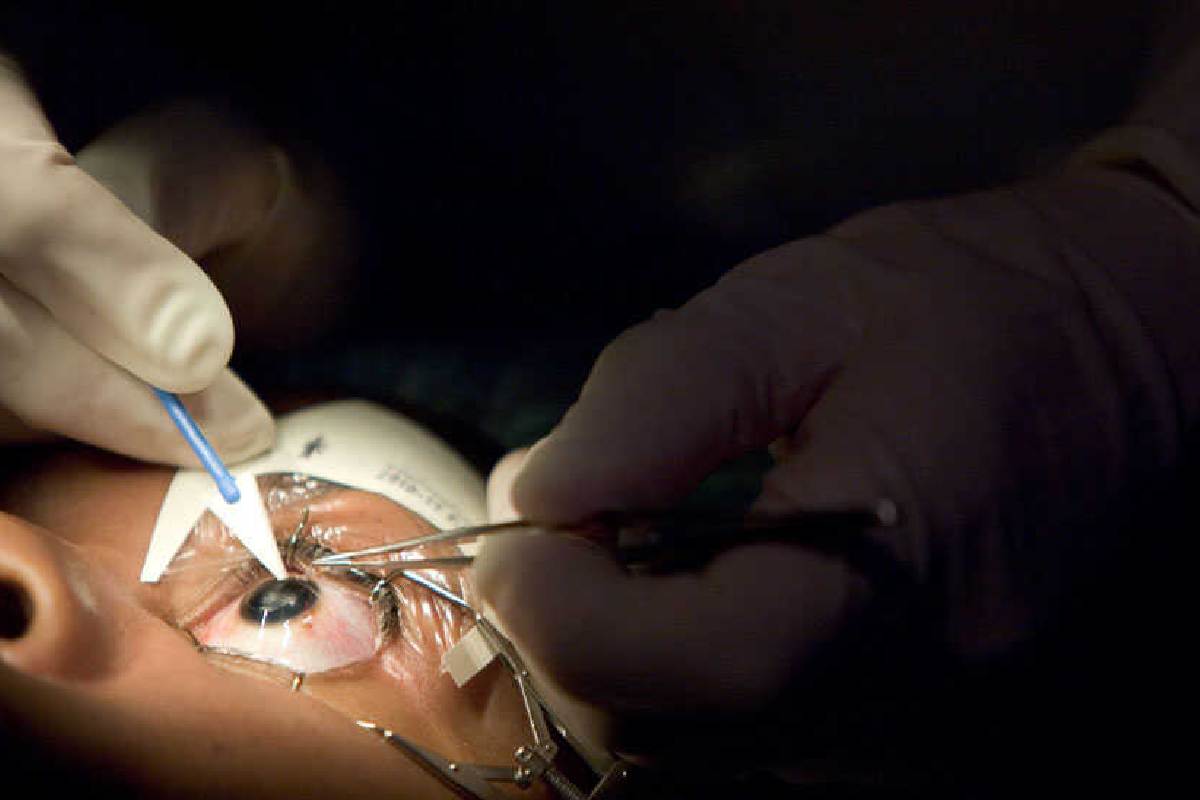
A crucial component of the surgery, the LASIK flap is painstakingly created at the beginning of the process. This thin, hinged flap is a vital aspect of the surgery because it covers the treated corneal tissue while the eye begins healing. According to the insightful details offered by Waite Vision, the flap acts much like a biological bandage, safeguarding the delicate corneal tissues as they undergo transformation and repair. The creation of the flap is executed with exceptional precision, and its overall quality and positioning are important factors in the recovery process and the ultimate vision improvement experienced by patients. By allowing surgeons to access the deeper corneal layers, the flap makes it possible to reshape the cornea while limiting disruption to surrounding tissue.
Different Types of LASIK Flaps
In LASIK surgery, the flap can be created through two predominant methods: using a microkeratome or utilizing a femtosecond laser, commonly referred to as bladeless LASIK. The microkeratome technique employs a precision surgical instrument to create the flap. Conversely, the bladeless approach uses a femtosecond laser to achieve the same outcome, allowing the surgeon to control the flap’s dimensions and shape precisely. Each method possesses distinct benefits and is carefully chosen based on individual patient needs and the surgeon’s expertise. The choice between these methods depends on factors such as the patient’s corneal characteristics, medical history, and the surgeon’s assessment. Neither method is automatically the best choice for every patient.
Significance of the Flap in Recovery
The integrity and positioning of the LASIK flap play an important role in the healing process and the overall success of vision correction. A properly constructed and positioned flap helps reduce the risk of certain complications, although it does not eliminate every possible side effect. Dry eyes, infection, glare, and night-time halo effects may occur after LASIK and should be discussed with the surgeon before treatment.
Many individuals notice significant improvements in their vision soon after the operation. However, visual recovery varies, and the eyes still need time to heal. Patients should follow their surgeon’s instructions, avoid rubbing their eyes, use prescribed eye drops, and attend all follow-up appointments. The flap generally adheres naturally as healing progresses, but it requires care during the early recovery period.
Protecting Your Eyes During Recovery
Following post-operative instructions is particularly important when returning to everyday activities. Patients should ask their surgeon when it is safe to shower, swim, exercise, wear eye makeup, and resume other usual routines. Swimming pools, hot tubs, lakes, and other bodies of water may expose healing eyes to irritants or microorganisms, so swimming should be avoided until the eye surgeon confirms it is safe.
If you are concerned about water exposure, including situations such as accidentally swimming in a shocked pool, contact your eye-care professional for advice specific to your situation. Do not assume that water exposure is harmless after eye surgery, particularly if you develop pain, redness, irritation, or changes in vision.
Preparing for LASIK Surgery
Preparation is an essential pillar of a successful LASIK surgery. Prospective patients are advised to follow detailed preoperative instructions to ensure their corneas are in optimal condition for the procedure. One important recommendation is to stop wearing contact lenses for the period specified by the surgeon because they can change the cornea’s structure and affect treatment planning. The required time without contact lenses varies depending on the lens type and individual circumstances.
Before the procedure, patients should discuss their medical history, current medications, previous eye conditions, dry-eye symptoms, and expectations with their ophthalmologist. A comprehensive assessment helps determine whether LASIK is suitable and whether another vision-correction option may be more appropriate.
For a broader overview of the procedure, its preparation requirements, and the recovery process, read this guide to LASIK surgery. Consulting resources from respected ophthalmology organizations can also provide patients with information about physical and mental preparation, helping them understand the journey from consultation to recovery.
Staying Informed with Credible Information
Staying informed through credible, authoritative sources is crucial for individuals considering LASIK surgery. Knowledge eases the anxiety associated with undergoing surgery and equips patients with the information needed to make well-considered decisions. Reputable sources from established medical authorities offer valuable insights into the LASIK procedure, detailing potential risks, benefits, and post-operative care. These resources can help address common misconceptions and enable individuals to approach the LASIK decision-making process with clarity and confidence.
Patients should remember that online information cannot replace a personalized examination. An experienced ophthalmologist can explain the potential benefits and risks based on corneal thickness, prescription stability, eye health, and other individual factors. Patients should ask questions about expected results, possible complications, alternatives, and follow-up care before making a decision.
Supporting Overall Health While Caring for Your Eyes
Eye health is one part of a broader approach to personal well-being. Following medical advice, maintaining good hygiene, and choosing appropriate health products can help people make informed decisions about their care. For example, readers interested in oral hygiene can explore information about nano-hydroxyapatite toothpaste, an ingredient used in some dental products. Although toothpaste is unrelated to LASIK flap healing, understanding product ingredients and discussing questions with the appropriate health professional are useful habits across different areas of care.
Conclusion: A Clearer Future
Understanding the function of the LASIK flap in detail is essential to understanding the broader mechanics of LASIK surgery and how it affects vision correction. Empowered with knowledge, patients can navigate the LASIK journey with reduced anxiety and heightened awareness, fostering a path towards enhanced quality of life through substantial vision improvement. By leveraging credible resources and discussing their individual circumstances with a qualified ophthalmologist, individuals can make informed decisions that align with their health priorities and visual needs.
Following preoperative and post-operative instructions, protecting the eyes during recovery, and attending scheduled follow-up appointments all contribute to responsible care. A clearer future begins with understanding the procedure, knowing its limitations, and choosing treatment based on professional guidance.