

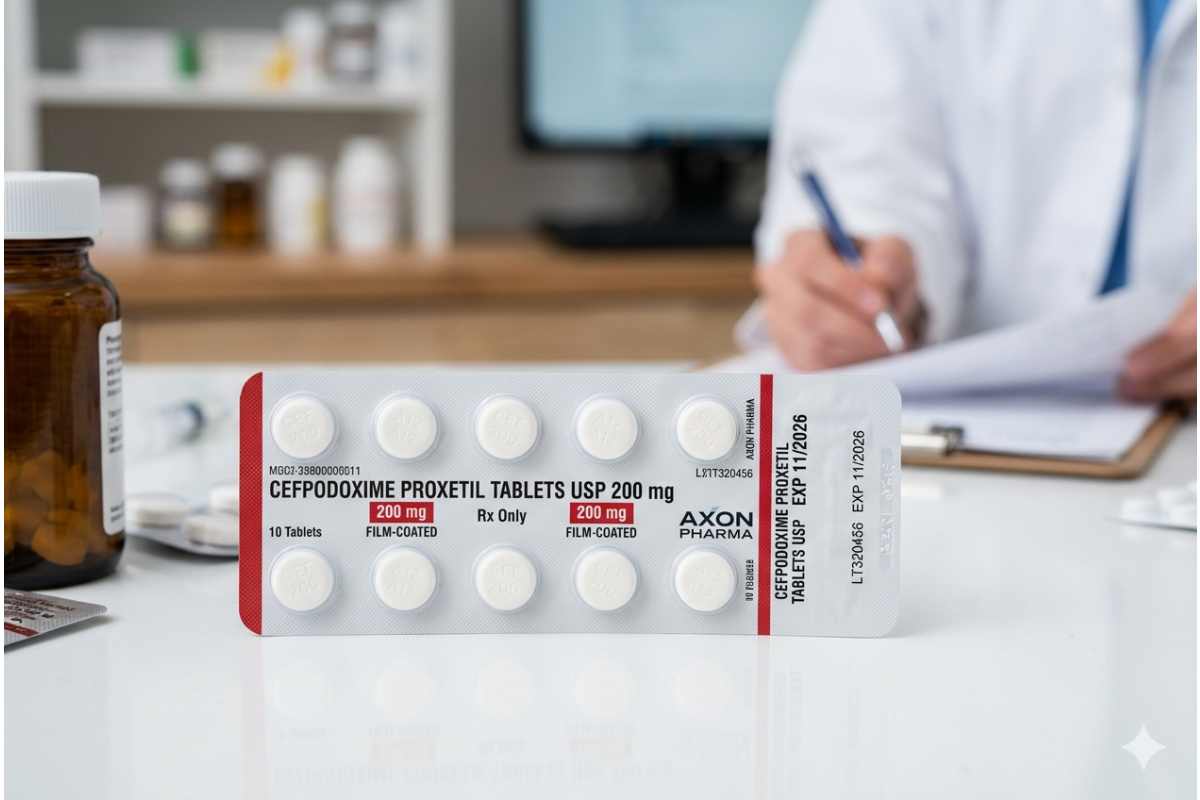
Cefpodoxime Proxetil Tablet Uses. Cefpodoxine proxetil is a prescription antibiotic medication that is used in treating the various types of bacterial infections in respiratory system, urinary tract, skin as well as other body parts. It is a third generation cephalosporin antibiotic and inhibits the growth of bacteria and affects gram-positive and gram-negative bacteria.
It is the place where you can find all the information in the use of cefpodoxime proxetil tablet, the dosage, drug side effects, and safety issues.
Table of Contents
What is Cefpodoxine Proxetil?
Cefpodoxime proxetil is a cefhalosporin-based oral antibiotic, in particular, a third-generation cephalosporin. It comes in both tablet and liquid suspension forms under the brand name Vantin (no longer made, but generic versions are very common).
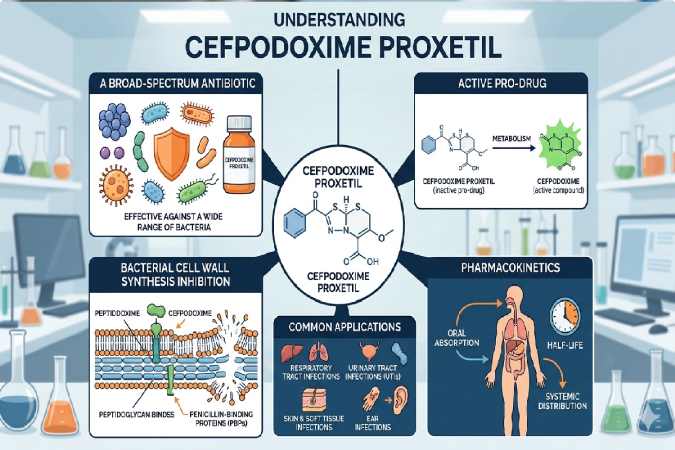
Understanding Third-Generation Cephalosporins
Third-generation cephalosporins represent an advanced class of antibiotics with:
- Widened range of activity over the past generations.
- Improved gram-negative antibacterial performance.
- Better resistance to some bacterial enzymes (beta-lactamases).
- Enhanced diffusion into body tissues.
This renders cefpodoxime of special use in cases of infections in which the first or second-generation antibiotics may not work.
How Cefpodoxime Works Against Bacteria
Cefpodoxime fights bacterial infections by:
- Interfering with bacterial cell wall synthesis – It binds to proteins in the bacterial cell wall
- Weakening the protective barrier – This causes the cell wall to become unstable
- Leading to bacterial death – The bacteria cannot maintain structural integrity and die
Importantly, cefpodoxime only works on bacterial infections and will not treat viral infections like colds, flu, or most sore throats.
Available Forms and Strengths
Cefpodoxime proxetil is available as:
- Tablets: 100 mg and 200 mg
- Oral suspension (liquid): 50 mg/5 mL and 100 mg/5 mL
Tablet Uses
Cefpodoxime is FDA-approved to treat several types of bacterial infections. Here’s a detailed breakdown:
Respiratory Tract Infections
Cefpodoxime effectively treats:
Acute Bronchitis
- Infection of the airways (bronchial tubes) leading to the lungs
- Typical course: 5-10 days
- Symptoms include productive cough, chest discomfort, shortness of breath
Community-Acquired Pneumonia
- Lung infection acquired outside hospital settings
- Treatment duration: 14 days
- Caused by bacteria like Streptococcus pneumoniae and Haemophilus influenzae
Chronic Bronchitis Exacerbations
- Worsening of chronic bronchitis symptoms
- Usually requires 10 days of treatment
Urinary Tract Infections (UTIs)
Cefpodoxime treats both:
Uncomplicated UTIs
- Bladder infections (cystitis)
- Treatment course: 7 days
- Effective against E. coli, the most common UTI bacteria
Complicated UTIs
- Infections involving the kidneys or associated with structural abnormalities
- May require longer treatment duration
Skin and Soft Tissue Infections
Effective for:
- Uncomplicated skin infections caused by Staphylococcus aureus or Streptococcus pyogenes
- Cellulitis, abscesses, and wound infections
- Typical duration: 7-14 days
Sexually Transmitted Infections
Uncomplicated Gonorrhea
- Single-dose treatment for urethral and cervical gonorrhea
- Caused by Neisseria gonorrhoeae
- Often prescribed as a 200 mg single dose
Rectal Gonococcal Infections (in women)
- Also treated with single-dose therapy
Ear, Nose, and Throat Infections
Acute Otitis Media (Ear Infections)
- Middle ear infections, especially in children
- 5-day treatment course
Pharyngitis and Tonsillitis
- Throat infections caused by Streptococcus pyogenes (strep throat)
- Duration: 5-10 days
Acute Maxillary Sinusitis
- Bacterial sinus infections
- Requires 10 days of treatment
Other Bacterial Infections Treated
Cefpodoxime may also be prescribed off-label for:
- Certain sexually transmitted diseases
- Prophylaxis in specific medical procedures
- Other susceptible bacterial infections as determined by your doctor
How to Take Cefpodoxime Proxetil Tablets
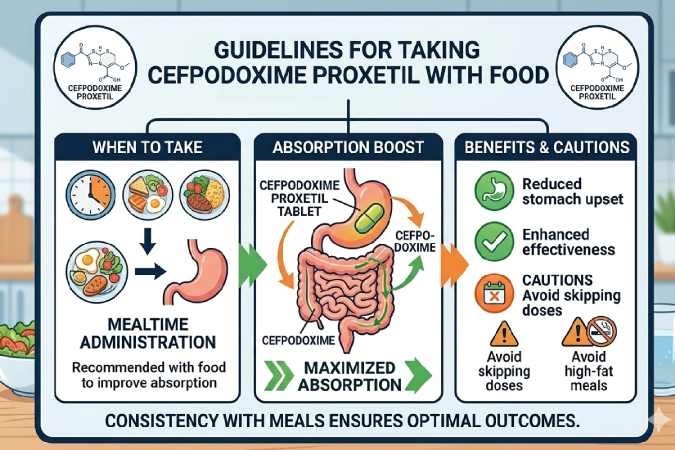
Proper administration ensures maximum effectiveness and minimizes side effects.
Dosage Guidelines for Adults
Standard adult dosages vary by infection type:
| Infection Type | Dosage | Duration |
| Pneumonia | 200 mg every 12 hours | 14 days |
| Acute bronchitis | 200 mg every 12 hours | 10 days |
| Uncomplicated UTI | 100 mg every 12 hours | 7 days |
| Skin infections | 400 mg every 12 hours | 7-14 days |
| Gonorrhea | 200 mg | Single dose |
| Pharyngitis/tonsillitis | 100 mg every 12 hours | 5-10 days |
| Sinusitis | 200 mg every 12 hours | 10 days |
Maximum daily dose: 400 mg per day (for most infections)
Dosage for Children and Adolescents
Pediatric dosing is weight-based:
- Typical dose: 5 mg/kg every 12 hours
- Maximum dose: 200 mg per dose
- Age requirement: Approved for children 2 months and older
Always follow your pediatrician’s specific instructions.
Administration Instructions
For Tablets:
- Must be taken with food to enhance absorption
- Swallow whole with a full glass of water
- Do not crush or chew unless instructed
For Oral Suspension:
- Can be taken with or without food
- Shake bottle well before each dose
- Use provided measuring device (not household spoons)
- Refrigerate after mixing
- Discard unused portion after 14 days
Timing:
- Take doses approximately 12 hours apart (e.g., 8 AM and 8 PM)
- Consistent timing improves effectiveness
What to Do If You Miss a Dose
If you forget a dose:
- Take it as soon as you remember if it’s not almost time for the next dose
- Skip the missed dose if your next dose is within a few hours
- Never double up to make up for a missed dose
Set phone reminders to maintain your dosing schedule.
Importance of Completing the Full Course
Critical rule: Finish all prescribed medication even if you feel better.
Why this matters:
- Symptoms often improve before all bacteria are eliminated
- Stopping early can cause infection recurrence
- Incomplete treatment contributes to antibiotic resistance
- Resistant bacteria become harder to treat in the future
Even if you feel 100% better after 3 days of a 10-day course, continue taking the medication as prescribed.
Cefpodoxime Side Effects
Like all medications, cefpodoxime can cause side effects, though not everyone experiences them.
Common Side Effects
These affect 1-10% of patients and are usually mild:
Gastrointestinal:
- Diarrhea (most common)
- Nausea
- Vomiting
- Stomach pain or discomfort
- Abdominal cramping
Other Common Effects:
- Headache
- Vaginal yeast infection (itching, discharge)
- Diaper rash in infants
Management tips:
- Take with food to reduce nausea
- Stay hydrated if experiencing diarrhea
- Eat probiotic-rich foods (yogurt) to support gut health
Serious Side Effects Requiring Medical Attention
Contact your doctor immediately if you experience:
Severe Diarrhea (C. difficile Infection)
- Watery or bloody stools
- Severe abdominal cramping
- Fever
- Can occur during treatment or up to 2+ months after finishing
This may indicate Clostridioides difficile infection, a serious complication requiring different treatment.
Kidney Problems
- Decreased urination
- Swelling in legs or feet
- Unusual tiredness
- Confusion
Liver Issues
- Yellowing of skin or eyes (jaundice)
- Dark urine
- Severe fatigue
- Loss of appetite
Allergic Reaction Warning Signs
Seek emergency medical care (call 911) for:
- Severe skin reactions: Blistering, peeling, severe rash
- Anaphylaxis symptoms:
- Difficulty breathing or wheezing
- Swelling of face, lips, tongue, or throat
- Rapid heartbeat
- Dizziness or fainting
- Hives covering large body areas
Important: If you’re allergic to penicillin or other cephalosporins, inform your doctor before taking cefpodoxime.
Managing Minor Side Effects
For mild nausea:
- Take tablets with a meal
- Avoid spicy or fatty foods
- Ginger tea may help
Diarrhea:
- Drink plenty of fluids
- Eat bland foods (rice, bananas, toast)
- Avoid dairy temporarily
- Do not use anti-diarrheal medication without consulting your doctor
For headaches:
- Stay hydrated
- Rest adequately
- Acetaminophen is usually safe (ask your pharmacist)
Important Warnings and Precautions
Do not use cefpodoxime if you:
- Have a severe allergy to cefpodoxime or any cephalosporin antibiotic
- Previously experienced anaphylaxis to beta-lactam antibiotics
- Have a documented serious reaction to similar medications
Conditions Requiring Caution
Tell your doctor if you have:
Kidney Disease
- Dose adjustment may be necessary
- Cefpodoxime is eliminated through kidneys
- Impaired kidney function can cause drug accumulation
Gastrointestinal Disorders
- History of colitis or inflammatory bowel disease
- Higher risk of antibiotic-associated diarrhea
- Increased susceptibility to C. difficile infection
Penicillin Allergy
- 10% cross-reactivity with cephalosporins
- Inform your doctor about the type and severity of past reactions
- May require alternative antibiotic
Diabetes
- Cefpodoxime can affect urine sugar tests
- Use Clinistix or TesTape (not Clinitest) for accurate results
Phenylketonuria (PKU)
- Oral suspension contains aspartame (phenylalanine source)
- Use tablets instead if you have PKU
Pregnancy and Breastfeeding Considerations
Pregnancy:
- FDA Category B: Animal studies show no risk, but human studies are limited
- Generally considered safe when needed
- Inform your doctor if you’re pregnant or planning to become pregnant
- Benefits must outweigh potential risks
Breastfeeding:
- Small amounts pass into breast milk
- Use caution while breastfeeding
- Monitor infant for diarrhea, rash, or irritability
- Discuss risks and benefits with your healthcare provider
Pediatric and Geriatric Use
Children:
- Approved for infants 2 months and older
- Dosing based on body weight
- Oral suspension often preferred for young children
Older Adults:
- May be more sensitive to side effects
- Kidney function naturally declines with age
- Dose adjustment may be necessary
- Higher risk of drug interactions due to multiple medications
Drug Interactions and Contraindications
Cefpodoxime can interact with various medications, potentially affecting effectiveness or increasing side effect risks.
Medications That Interact with Cefpodoxime
Antacids and Acid Reducers
- H2 blockers (famotidine, ranitidine)
- Proton pump inhibitors (omeprazole, esomeprazole)
- Aluminum/magnesium antacids (Maalox, Mylanta)
Effect: Reduced cefpodoxime absorption Solution: Space doses at least 2-3 hours apart
Probenecid
- Used for gout treatment
- Increases cefpodoxime blood levels by blocking kidney elimination
- May require dose adjustment
Nephrotoxic Medications (kidney-damaging drugs)
- NSAIDs (ibuprofen, naproxen)
- Aminoglycoside antibiotics
- Diuretics (furosemide)
Effect: Increased risk of kidney damage Action: Your doctor may monitor kidney function
Anticoagulants
- Warfarin (Coumadin)
- May enhance blood-thinning effects
- Requires INR monitoring
Vaccines
- May reduce effectiveness of live bacterial vaccines (BCG, typhoid)
- Discuss timing with your doctor
Foods and Supplements to Avoid
Alcohol
- While not strictly contraindicated, alcohol can:
- Worsen gastrointestinal side effects
- Impair immune response
- Increase dehydration risk
- Best to avoid or minimize during treatment
Calcium Supplements
- High-dose calcium may reduce antibiotic absorption
- Take at different times of day
Probiotics
- Actually beneficial to take
- Space 2-3 hours from antibiotic dose
- Helps prevent antibiotic-associated diarrhea
Impact on Birth Control Effectiveness
Important warning for women:
Cefpodoxime may reduce the effectiveness of hormonal contraceptives:
- Birth control pills
- Patches
- Vaginal rings
- Hormonal injections
Recommendation:
- Use backup contraception (condoms) during treatment and for 7 days after completing the course
- Discuss with your healthcare provider
How Long Does Cefpodoxime Take to Work?
Understanding the treatment timeline helps manage expectations and identify problems early.
Expected Timeline for Symptom Improvement
First 24-48 Hours:
- You may not notice significant improvement yet
- Medication is building up in your system
- Bacteria are beginning to die off
Days 2-3:
- Most patients begin feeling better
- Fever typically resolves
- Symptoms start to decrease in intensity
Days 4-7:
- Significant improvement in symptoms
- Energy levels return
- Cough, pain, or other symptoms greatly reduced
Full Course Completion:
- Complete eradication of infection
- Prevention of recurrence and resistance
Signs Treatment Is Working
Positive indicators:
- Fever reduction or resolution
- Decreased pain or discomfort
- Less coughing (for respiratory infections)
- Reduced urinary symptoms (for UTIs)
- Improved appetite and energy
- Better sleep quality
When to Contact Your Doctor
Call your healthcare provider if:
No improvement after 2-3 days:
- Fever persists or worsens
- Symptoms don’t begin to improve
- New symptoms develop
Worsening symptoms:
- Pain intensifies
- Breathing becomes more difficult
- Confusion or altered mental state
Signs of complications:
- Severe diarrhea (especially bloody)
- Allergic reaction symptoms
- Severe abdominal pain
- Jaundice (yellowing of skin/eyes)
New infection concerns:
- Vaginal yeast infection symptoms
- Oral thrush (white patches in mouth)
- New fever after initial improvement
Don’t hesitate to contact your doctor with concerns—it’s better to check than to let complications develop.
Cefpodoxime vs. Other Antibiotics
Understanding how cefpodoxime compares to alternatives helps you appreciate why your doctor made this choice.
Cefpodoxime vs. Amoxicillin
| Feature | Cefpodoxime | Amoxicillin |
| Class | Third-generation cephalosporin | Penicillin |
| Spectrum | Broader (more bacteria types) | Narrower |
| Dosing | Twice daily | Three times daily |
| Food requirement | With food (tablets) | With or without food |
| Resistance | Less susceptible to some bacterial enzymes | More resistance issues |
| Cost | Generally more expensive | Usually less expensive |
When cefpodoxime is preferred:
- Suspected beta-lactamase producing bacteria
- Patient has failed amoxicillin therapy
- More resistant bacterial strains expected
Cefpodoxime vs. Cephalexin
| Feature | Cefpodoxime | Cephalexin |
| Generation | Third-generation | First-generation |
| Gram-negative coverage | Excellent | Limited |
| Respiratory infections | Highly effective | Less effective |
| Skin infections | Very effective | Very effective |
| Dosing frequency | Every 12 hours | Every 6-8 hours |
When cefpodoxime is chosen over cephalexin:
- Respiratory tract infections
- Urinary tract infections
- When broader coverage needed
- When less frequent dosing improves compliance
When Doctors Choose Cefpodoxime
Physicians prescribe cefpodoxime when:
- Bacterial resistance patterns in the community suggest it’s more effective
- Previous antibiotic failure with first-line agents
- Patient compliance concerns – twice-daily dosing is easier than 3-4 times daily
- Specific bacterial coverage needed – particularly for gram-negative organisms
- Allergy considerations – safe alternative when mild penicillin allergy exists
Storage and Handling Instructions
Proper storage ensures medication remains effective throughout treatment.
For Tablets:
- Store at room temperature (68-77°F / 20-25°C)
- Keep in original container
- Protect from light and moisture
- Do not store in bathroom (humidity degrades medication)
- Keep tightly closed
For Oral Suspension:
- Refrigerate between 36-46°F (2-8°C)
- Do not freeze
- Shake well before each use
- Discard after 14 days – even if medication remains
- Write preparation date on bottle label
General Safety:
- Keep out of reach of children
- Do not transfer to different containers
- Check expiration date before use
- Dispose of expired medication properly (take-back programs, not toilet)
Cost and Availability
Generic Availability: Cefpodoxime proxetil is available in generic form, making it more affordable than when it was only available as brand-name Vantin.
Approximate Costs (without insurance):
- Generic tablets: 50 for a typical course
- Oral suspension: 80
Insurance Coverage:
- Most insurance plans cover generic cefpodoxime
- May require prior authorization for some plans
- Check your formulary for tier placement
Cost-Saving Tips:
- Request generic version
- Compare prices at different pharmacies
- Use pharmacy discount cards or apps
- Ask about 90-day supplies for chronic conditions (if applicable)
- Check manufacturer patient assistance programs
Prescription Requirement: Cefpodoxime is prescription-only and cannot be purchased over-the-counter.
Frequently Asked Questions About Cefpodoxime Proxetil
- Can I drink alcohol while taking cefpodoxime?
While cefpodoxime doesn’t have a direct dangerous interaction with alcohol like some antibiotics, it’s best to avoid alcohol during treatment. Alcohol can worsen side effects like nausea and diarrhea, dehydrate you, and potentially weaken your immune system when your body is fighting infection.
- How long after starting cefpodoxime will I feel better?
Most people begin to feel improvement within 2-3 days of starting treatment. However, you must complete the full prescribed course (typically 5-14 days depending on infection type) even if you feel completely better. Stopping early can cause the infection to return and contribute to antibiotic resistance.
- What should I do if cefpodoxime causes severe diarrhea?
Mild diarrhea is common, but severe, watery, or bloody diarrhea requires immediate medical attention. This could indicate Clostridioides difficile infection (C. diff), a serious complication that can occur during or after antibiotic treatment. Do not take anti-diarrheal medication without consulting your doctor first, as this can worsen C. diff infections.
- Can I take cefpodoxime if I’m allergic to penicillin?
It depends on the severity of your penicillin allergy. About 10% of people with penicillin allergies also react to cephalosporins like cefpodoxime. If you’ve had a mild rash, cefpodoxime may be safe under medical supervision. However, if you’ve experienced severe reactions like anaphylaxis, your doctor will likely choose a different antibiotic class entirely.
- Is it safe to take cefpodoxime during pregnancy?
Cefpodoxime is FDA Pregnancy Category B, meaning animal studies haven’t shown risk to the fetus, but adequate human studies are limited. It’s generally considered safe when the benefits outweigh potential risks. Always inform your doctor if you’re pregnant, planning to become pregnant, or breastfeeding so they can make an informed decision.
Conclusion:
Cefpodoxime Proxetil Tablet Uses. Cefpodoxime Proxetil is a prescription antibiotic medication used to treat various bacterial infections affecting the respiratory system, urinary tract, skin, and other body parts. As a third-generation cephalosporin antibiotic, it works by stopping bacterial growth and is effective against both gram-positive and gram-negative bacteria.