


Last Updated: October 22, 2026
Table of Contents
What Is Healthy Eating?
Having healthy eating habits allows our body to continue healthy and protected. A healthy diet means that we consume all the nutrients that are essential for our body. Those who have decided to take care of what they eat can enjoy good health and a better quality of life. Are you also from this group of person? Keep in mind that, if your diet is not healthy, you will have a greater predisposition to suffer from diseases such as diabetes, osteoporosis, anemia, among many others. Hence, the decision to improve your quality of life depends only on you. Therefore, if you want to know what healthy eating is and how it benefits our health, pay attention to this note.
Let’s Get Started: What Is Healthy Eating?
A healthy diet provides all the important nutrients and energy that each person needs to stay healthy. And what are these essential nutrients? Well, they are proteins, carbohydrates, lipids, vitamins, minerals, and water. Healthy eating begins with:
- Choose natural foods as the basis of your diet.
- Avoid processed and ultra-processed foods to prevent illness.
- Practice a healthy lifestyle.
A balanced diet means that it is varied, that is, it can contain cereals, tubers and beans, as well as vegetables, fruits, dairy products, meat, eggs, fats and sugars.
Healthy eating also involves developing consistent habits that support your physical and mental well-being. Eating balanced meals, drinking enough water, and choosing a variety of nutritious foods can help you maintain energy throughout the day. For more practical guidance, explore these tips on healthy eating, early morning meals, drinking water, and more.
How to Have a Healthy Diet?
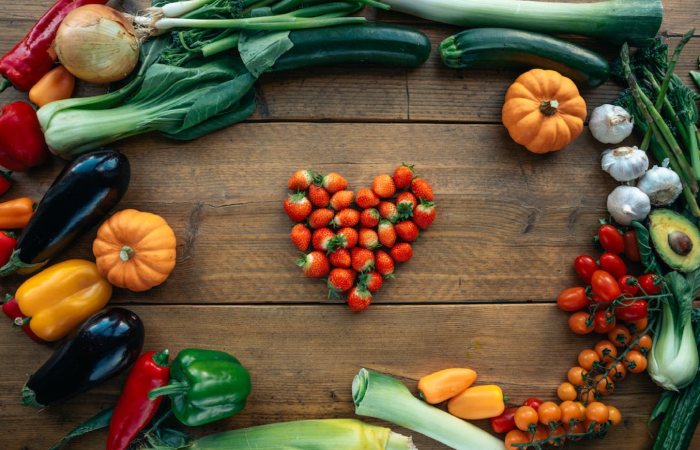
If you want to start enjoying the benefits of eating healthy, here are some tips to help you achieve it:
Eat Different Types of Food Each Day
It is preferable to consume various foods every day because our body needs various nutrients and energy that a single food cannot cover.
Eating different food groups is an important part of healthy eating. Whole grains provide carbohydrates and fiber, while beans, lentils, eggs, fish, and lean meats provide protein. Fruits and vegetables supply vitamins, minerals, and antioxidants that help support normal body functions. Combining these foods throughout the week can make meals more balanced and enjoyable.
Always Eat Fruits, Vegetables and Legumes
Not only are they rich in vitamins and minerals that will protect your health, they also contain dietary fiber, which is necessary to lower your absorption of sugar and reduce cholesterol in your blood. Plus, they aid digestion and are low in calories! Ideally, you should consume 2 servings of vegetables and 3 of fruit a day or 400 gr between fruits and vegetables daily as recommended by MINSA in its Food Guide for the Peruvian Population.
Try including vegetables in lunch and dinner, adding fruit to breakfast, and choosing beans or lentils for meals during the week. Fresh, frozen, and appropriately prepared vegetables can all contribute to a nutritious diet. Eating a variety of colorful produce also helps you obtain a broader range of essential nutrients.
Do Not Abuse The Consumption Of Animal Fats
Animal fats, except that which comes from fish, increases the risk of obesity or suffering from heart disease. Therefore, instead prefer fats of vegetable origin (sunflower, olive, soy, corn), they should be part of your daily diet. Remember, fatty foods may taste good, but they provide more calories than other foods, so you should not eat them in excess.
It recommended to consume adequate amounts of animal fats, some except milk fat, can cause heart disease.
Healthy eating does not mean eliminating every source of fat. Instead, focus on appropriate portions and healthier fat sources, such as nuts, seeds, and vegetable oils. The type and amount of fat consumed matter, so making balanced choices can help support long-term health.
Reduces the Consumption of Red Meat
Continuing with the theme of healthy eating, we will talk about fish, chicken and turkey that have less saturated fat and cholesterol. Es mas! The fish meat even have good fats that help prevent heart problems and even one study found that consuming fish at least once a week substantially reduces sudden cardiac death.
Remember that red beef, lamb and pork, jerky, sausages, organ meats (brains, kidneys, liver) and egg yolk contain saturated fat and cholesterol. These foods raise cholesterol levels in the blood, increasing the risk of cardiovascular disease.
You can make meals more varied by replacing some red meat dishes with beans, lentils, fish, or skinless poultry. Preparing food by baking, steaming, grilling, or boiling can also help reduce the need for excess oil. The goal is to build a balanced eating pattern that you can maintain over time.
Add Milk to Your Diet!
The milk is rich in protein and calcium so it will help to keep your bones and teeth healthy for long. If you are over 25 you should consume an average of 3 cups of milk a day, while if you are younger, about 4 cups. Yes indeed! Always prefer the consumption of low-fat milk. Remember that milk and its derivatives such as yogurt, cheese, and cheese contain good quality proteins.
Dairy fat spreads are relatively rich in fat in the form of a spreadable emulsion, mainly of the water in milk fat type, which remains solid at a temperature of 20 ° C. Milk fat is an important element for human health. For example, it can help strengthen the immune system and inhibit the development of cancer and atherosclerosis.
Individual nutritional needs vary depending on age, activity level, health status, and dietary preferences. People who do not consume dairy products can consider suitable alternatives that provide calcium and, where needed, vitamin D. Reading food labels can help you compare nutritional content and make choices that fit your needs.
Healthy Eating Habits for Everyday Life
Healthy eating is not only about choosing nutritious ingredients; it is also about creating realistic routines. Planning meals ahead of time can make it easier to prepare balanced dishes instead of relying on fast food or heavily processed snacks. You can prepare ingredients in advance, keep healthy snacks available, and create a shopping list based on your weekly meals.
Portion awareness is another useful habit. Eating slowly, noticing hunger and fullness cues, and serving reasonable portions can help you develop a healthier relationship with food. If you often find it difficult to manage portions or feel that you eat more than you intended, these suggestions may help you overcome overeating.
Hydration is also an important part of a balanced routine. Water supports normal body functions, helps regulate body temperature, and replaces fluids lost during everyday activities. Keep water accessible throughout the day and drink more when you need it, such as during exercise or hot weather. Your individual needs can vary depending on your environment and activity level.
In addition, combine healthy eating with regular physical activity, adequate sleep, and stress management. These habits work together to support general well-being. You do not need to change everything at once. Start with achievable goals, such as adding a serving of vegetables to a meal, preparing breakfast at home, or replacing a sugary drink with water.
Understanding Nutrition and Health Research
Nutrition science continues to develop as researchers investigate how food, lifestyle, genetics, and other factors affect human health. Health information can help people understand general dietary principles, but research findings should be interpreted carefully and should not replace advice from qualified healthcare professionals.
Some health-related research uses advanced laboratory techniques and genetic analysis to investigate diseases and potential treatment options. For example, next-generation sequencing library preparation is a laboratory process used in genetic research, while TMB, MSI, and neoantigen prediction relates to specialized areas of cancer research. These topics are not direct dietary recommendations, but they illustrate how scientific methods contribute to broader health research.
When researching healthy eating, prioritize reliable health organizations, qualified nutrition professionals, and evidence-based resources. Be cautious of claims that promise instant results, recommend extreme diets, or suggest that one food can prevent or cure a disease. A balanced approach is generally more practical than following restrictive food rules without professional guidance.
Conclusion
A balanced, nutritious diet of nutrients, vitamins, minerals, and energy constitutes healthy eating. It enhances general well-being and may be obtained by frequent physical activity and leading a healthy lifestyle. The Mediterranean diet, which emphasizes whole, minimally processed foods and lowers the risk of heart disease and diabetes, is a typical dietary pattern.
Healthy eating is a long-term commitment rather than a short-term diet. By eating a variety of foods, including fruits and vegetables, choosing suitable protein sources, drinking enough water, and limiting excessive consumption of highly processed foods, you can build habits that support your well-being. Make gradual changes, stay consistent, and seek guidance from a qualified healthcare professional or registered dietitian when you need advice tailored to your individual nutritional needs.