

Last Updated: October 16, 2026
Table of Contents
Introduction
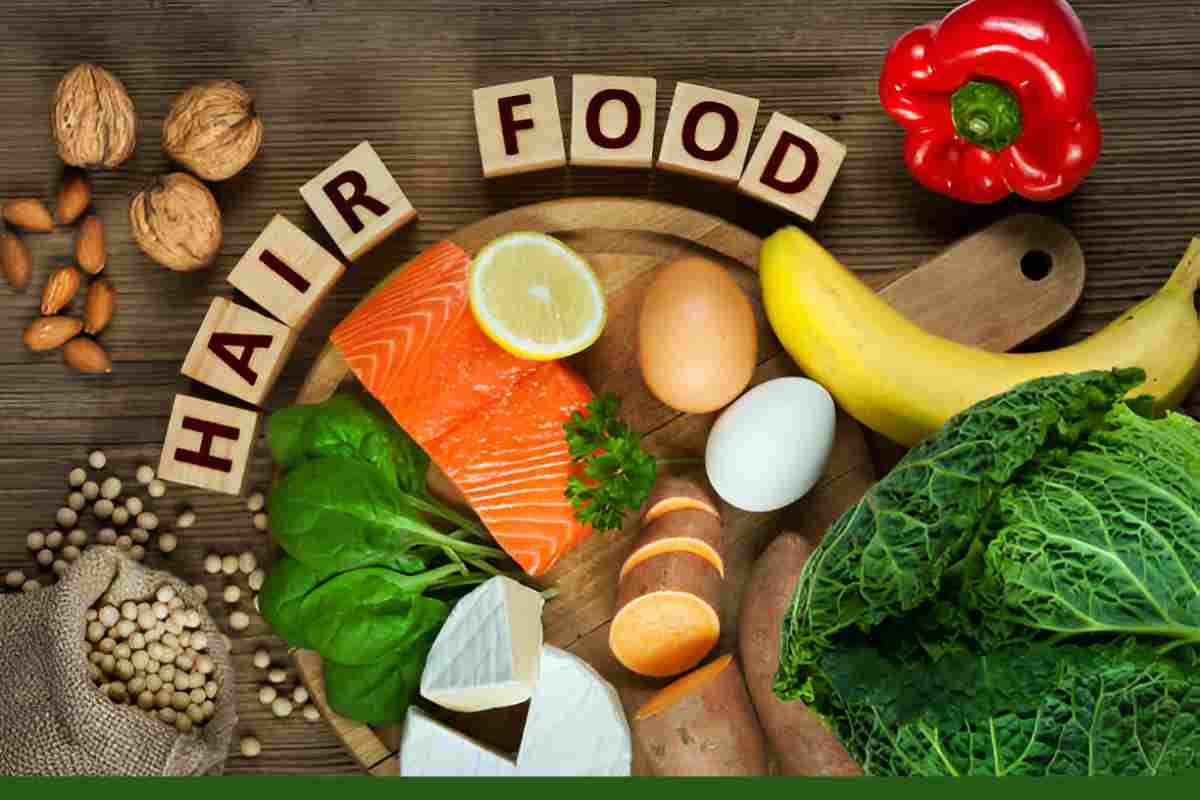
Beneficial foods for hair growth can significantly affect hair health, strength, and quality, particularly in people with nutritional deficiencies. When the body does not receive enough essential nutrients through food, hair growth and overall hair condition may be affected. Eating a balanced diet that includes protein, vitamins, minerals, and healthy fats can help support healthy hair.
A nutritious diet is an important part of hair care, although persistent hair loss may require professional evaluation. People experiencing significant hair thinning can also learn about medical options, including hair transplant procedures and their before-and-after results.
Eggs
Eggs are a good source of several nutrients that contribute to healthy hair, including:
- Vitamin B7, also known as biotin.
- Vitamin D.
- L-lysine, an amino acid found in protein-rich foods.
- Other essential nutrients that support normal body functions.
Eggs also provide high-quality protein, which is important because hair is primarily made of a protein called keratin. Including eggs in a balanced diet can help provide the nutrients needed to maintain healthy hair.
Fish
Fish contain omega-3 fatty acids, which the body cannot produce in sufficient amounts and must obtain through food. These healthy fats support overall health and may contribute to maintaining healthy hair and scalp.
Examples of fish that provide omega-3 fatty acids include:
- Salmon
- Sardines
- Mackerel
Including fish in a balanced diet can help supply essential fatty acids and protein that support normal hair growth.
Brazil Nuts
Brazil nuts are an excellent source of selenium, a mineral that supports normal thyroid function and other important processes in the body. However, they contain very high amounts of selenium, so moderation is essential.
The recommended upper limit for selenium intake in adults is 400 micrograms per day from all sources. A single Brazil nut can contain approximately 68–91 micrograms, although the amount varies.
Eating too many Brazil nuts regularly may cause excessive selenium intake. This can lead to symptoms such as hair loss, nausea, skin rashes, and nervous system problems. Therefore, avoid consuming large quantities and consider your total dietary selenium intake.
Mulberries and Other Berries
Berries are rich in beneficial plant compounds and vitamins that support overall health. They also contain vitamin C, an antioxidant that helps protect cells from damage caused by free radicals.
Vitamin C contributes to collagen production, which is important for maintaining healthy tissues. It also helps the body absorb iron from plant-based foods. Since iron deficiency can contribute to hair loss, including vitamin C-rich fruits in a balanced diet may be beneficial.
Strawberries, blueberries, raspberries, and other berries can be easy additions to a nutritious diet.
Yogurt
Yogurt is a valuable source of protein, which helps provide the building blocks needed for healthy hair. Greek yogurt generally contains more protein than regular yogurt, depending on the product.
Yogurt also provides several nutrients, including vitamin B5, known as pantothenic acid. Adequate nutrient intake supports normal bodily functions, including those involved in maintaining healthy skin and hair.
Including yogurt as part of a balanced diet can help increase protein intake and provide essential nutrients. However, no single food can guarantee hair growth or prevent hair thinning.
Seeds
Seeds provide a variety of nutrients while adding texture and nutritional value to everyday meals. Flaxseeds and chia seeds are particularly useful sources of plant-based omega-3 fatty acids.
Different seeds also contain nutrients that support overall health, including:
- Vitamin E
- Zinc
- Selenium
- Healthy fats
- Protein
Adding a variety of seeds to yogurt, smoothies, salads, or breakfast meals can help diversify your nutrient intake. A balanced diet that includes different food groups is generally more beneficial than relying on one specific seed or supplement for hair growth.
Avocado
Avocados contain several nutrients that support overall health, including vitamin E and healthy fats. Vitamin E acts as an antioxidant and helps protect cells from oxidative damage.
Avocados also provide monounsaturated fats, which contribute to a balanced diet. Although these nutrients are important for general health, evidence that eating avocados directly stimulates hair growth remains limited.
Including avocados in meals can help provide healthy fats and other nutrients that contribute to a varied, balanced eating pattern.
Beneficial Nutrients for Hair
Vitamin D
Vitamin D plays several important roles in the body, and low levels have been associated with certain types of hair loss. However, taking vitamin D supplements does not necessarily improve hair growth in people whose vitamin D levels are already adequate.
The body produces vitamin D when the skin is exposed to sunlight. However, excessive ultraviolet exposure can damage the skin, so appropriate sun protection is important.
For additional information on maintaining healthy skin, explore this skin care guide covering practical skin care approaches.
Foods that provide vitamin D include:
- Fatty fish, such as salmon and mackerel
- Egg yolks
- Fortified milk
- Vitamin D-fortified orange juice
- Certain mushrooms
A healthcare professional can help determine whether vitamin D testing or supplementation is appropriate.
L-Lysine Sources
L-lysine is an essential amino acid that the body needs for protein production and other normal functions. It must be obtained through food because the body cannot produce it on its own.
Although adequate protein intake is important for hair health, evidence that L-lysine supplements independently promote hair growth is limited. People should focus on obtaining sufficient protein and essential amino acids through a balanced diet.
Food sources of L-lysine include:
- Eggs
- Meat
- Beans
- Lentils
- Dairy products
- Certain nuts and seeds
Eating a variety of protein-rich foods can help provide the amino acids required for normal body functions.
Protein
Protein is essential for maintaining healthy hair because hair strands are primarily composed of keratin, a structural protein. Insufficient protein intake may contribute to hair thinning or hair loss.
According to research discussed in a 2017 article published in Dermatology Practical & Conceptual, nutritional deficiencies can be relevant to certain hair disorders. However, hair loss can have many causes, and protein deficiency is only one possible factor.
Good dietary sources of protein include the following.
Lean meat:
- Beef
- Veal
- Lamb
Poultry:
- Chicken
- Turkey
- Duck
- Goose
Fish and seafood:
- Shrimp
- Crab
- Mussels
- Oysters
Milk and dairy products:
- Milk
- Yogurt
- Cheese
Nuts and seeds:
- Almonds
- Cashews
- Pumpkin seeds
- Walnuts
- Sunflower seeds
- Hazelnuts
- Sesame seeds
Plant-based protein:
- Lentils
- Beans
- Chickpeas
- Peas
- Tofu
Combining different protein sources can help support a balanced diet and provide the nutrients needed for healthy hair.
Vitamin A
Vitamin A is essential for normal cell growth and supports the maintenance of healthy skin. It also contributes to the normal functioning of the sebaceous glands, which produce sebum to help lubricate the skin and scalp.
However, excessive vitamin A intake, particularly from high-dose supplements, can contribute to hair loss and other health problems. It is generally preferable to obtain vitamin A through a balanced diet unless a healthcare professional recommends supplementation.
Sources of vitamin A or its precursors include:
- Sweet potatoes
- Carrots
- Spinach
- Other leafy green vegetables
- Eggs
- Dairy products
Adequate nutrition can also help maintain skin health. If you experience persistent dryness, you may find these dry skin care tips and practical recommendations useful.
Do We Need Supplements to Strengthen Hair?
Hair growth supplements are widely marketed, but they are not necessary for everyone. A balanced diet can provide many of the nutrients required to maintain healthy hair.
Supplements may be helpful when a deficiency has been identified or when dietary intake is insufficient. However, taking excessive amounts of certain vitamins and minerals can cause unwanted effects and may even contribute to hair loss.
For example, excessive vitamin A or selenium intake can be harmful. Before taking supplements for hair growth, consult a qualified healthcare professional, particularly if you are experiencing persistent hair thinning or sudden hair loss.
It is also important to remember that healthy hair care involves more than nutrition. Gentle hair handling, appropriate hair products, and a consistent routine can help maintain hair condition.
Supporting Overall Beauty and Skin Health
A nutritious diet can support general health, including the condition of your skin and hair. Drinking enough fluids and eating a variety of nutrient-rich foods can contribute to an overall personal care routine.
For more ideas on maintaining skin hydration from within, explore these drinks for healthy and moisturized skin.
Alongside a balanced diet, a suitable topical routine can help protect and moisturize the skin. For example, people looking to care for dry lips can explore this Hyphen lip balm guide.
Beauty concerns can also involve facial appearance and cosmetic procedures, which are separate from nutritional approaches to hair health. Readers interested in cosmetic facial treatments can learn more about buccal fat removal and its before-and-after results.
Conclusion
Several foods can help provide nutrients that support healthy hair, including eggs, fish, berries, yogurt, seeds, avocados, and Brazil nuts. Protein, vitamin D, vitamin C, vitamin A, and essential minerals all play important roles in overall health, while inadequate nutrient intake may contribute to certain hair concerns.
The best approach is to eat a varied, balanced diet and avoid excessive supplementation. If you experience persistent hair loss, sudden shedding, or noticeable thinning, consult a healthcare professional to identify the cause and discuss appropriate treatment options.